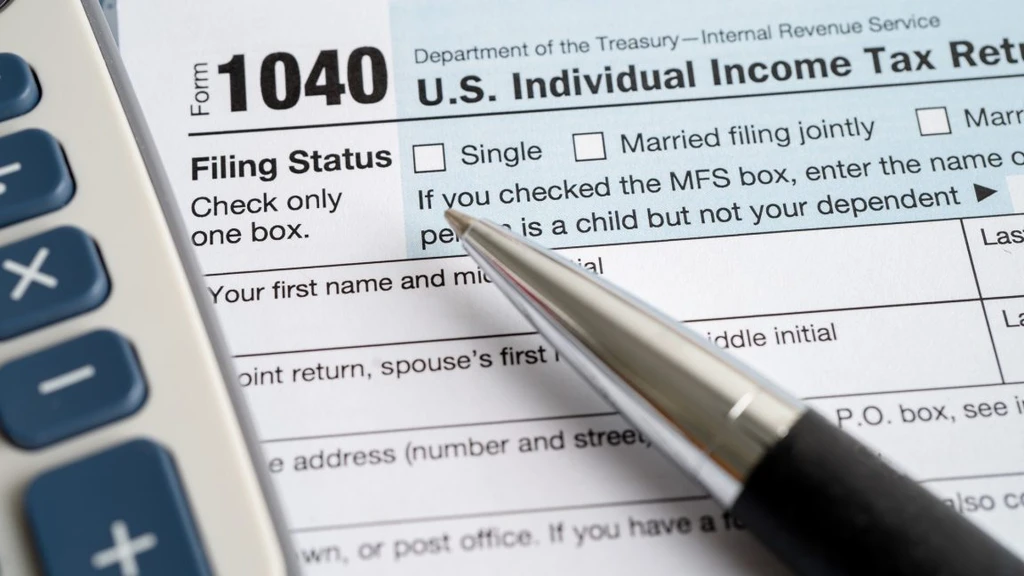
Tax Day arrives with significant ambiguity for prediction market traders, who lack clear IRS guidance on how to report their winnings. For those treating these earnings as gambling income, the process is complex. Regulations require meticulous tracking of each wager on a "per session" basis, demanding detailed records rather than a simple net reporting.
Nate Meininger, a seasoned trader, navigates this by relying on tax documents provided by platforms like Kalshi and consulting with accountants, admitting the self-tracking appears "like a lot of work."
Traders in the U.S. using virtual private networks to access offshore platforms such as Polymarket face an even more challenging situation. These platforms often do not issue tax documentation, and U.S. citizens are legally obligated to report all income regardless of its origin.
Adding to the complexity, the IRS is undergoing significant modernization, employing advanced strategies to identify audit targets. This includes a recent $1.8 million contract with Palantir for a tool to flag "high-value" audit cases.
The current confusion surrounding prediction market taxes mirrors the early days of cryptocurrency, where definitive IRS guidance took years to develop. As with crypto, a notable lag exists between market adoption and the establishment of clear regulatory rules.
Meininger suggests, "There's not really a correct way of filing yet." He adds that it would be "odd for the IRS to expect someone to know something that's impossible to know."