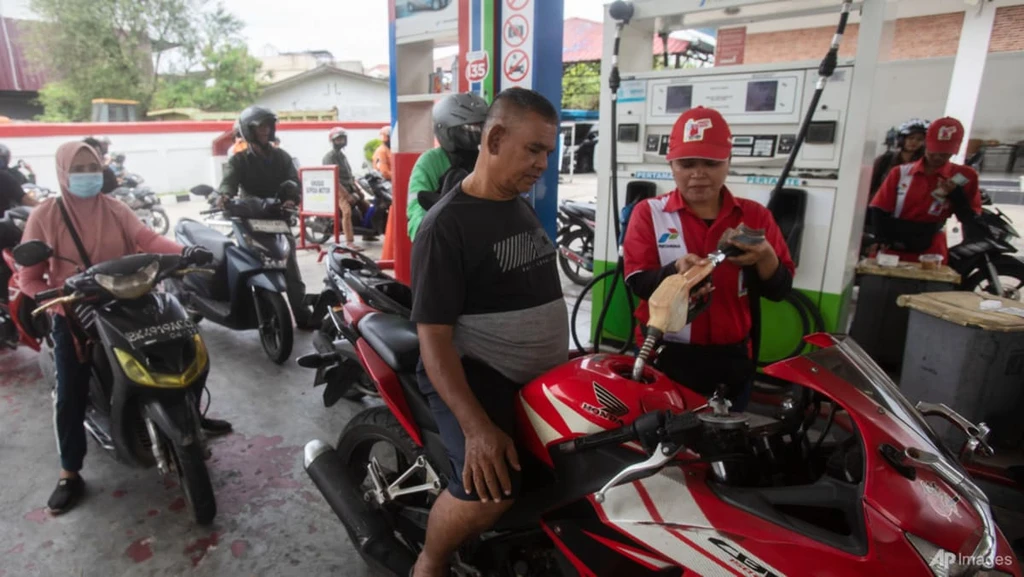
Indonesia is targeting 80 trillion rupiah-approximately US$4.7 billion-in government savings to insulate its economy from escalating oil price volatility driven by the Middle East conflict.
The administration of President Prabowo Subianto is advancing fuel-conservation tactics, including a proposed one-day-per-week remote work policy for public sector employees. The move responds to soaring global crude costs following U.S.-Israeli strikes on Iran and Tehran’s retaliation in the Gulf.
In a recent interview, Prabowo emphasized efforts to reduce energy consumption and accelerate solar power deployment. Presidential spokesman Prasetyo Hadi confirmed the savings target but did not specify sources.
Despite fiscal pressures, the government vows to preserve two key expenditures: its US$19.7 billion free meals program slated for 2026 and existing fuel subsidies covering 30%-40% of consumer costs-roughly 15% of the national budget.
Prabowo aims to lift Indonesia’s economic growth from 5.1% in 2023 to 8% by 2029 through strategic public spending. Unlike regional peers, Indonesia has so far avoided fuel shortages or long queues at pumps.
A formal work-from-home directive is expected “as soon as possible,” Prasetyo said.