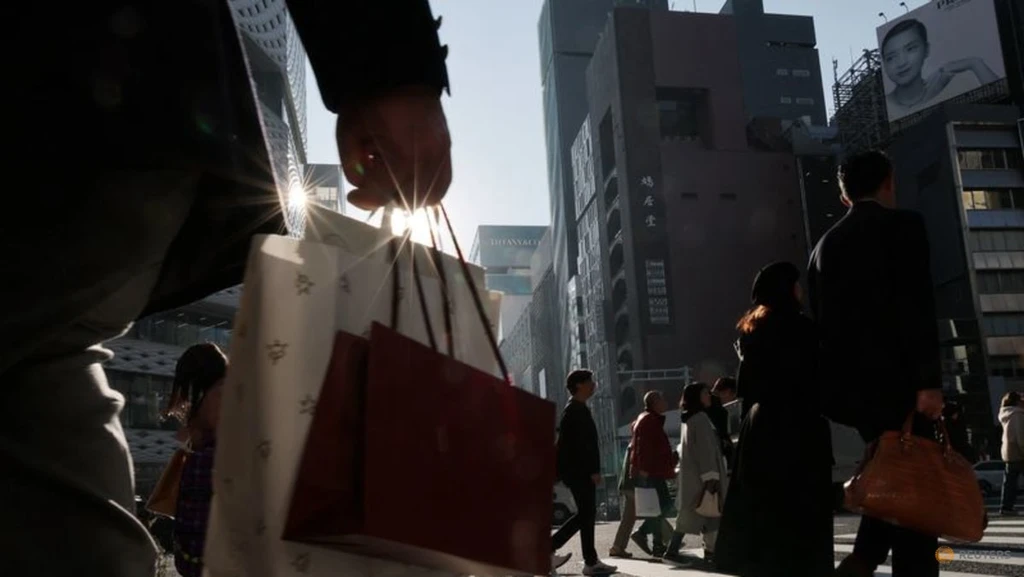
TOKYO - Japan's consumer confidence saw its sharpest decline since the early days of the COVID-19 pandemic in March. A government survey revealed a significant drop in consumer mood, exacerbated by soaring fuel costs linked to the escalating Middle East conflict.
The downturn complicates the Bank of Japan's decision on whether to raise interest rates at its upcoming policy meeting. Economists suggest the current uncertainty makes an April rate hike a risky move, with many advocating for a wait-and-see approach based on future economic data.
The consumer mood index fell to a nearly one-year low, with households expressing increasing concern over rising inflation and fuel prices. A substantial majority anticipate further price increases in the coming year.
Meanwhile, private sector surveys indicate businesses are bracing for a negative impact from the conflict, citing rising raw material and gasoline costs as key concerns. These economic indicators will be closely scrutinized by the Bank of Japan as it reviews its growth and price projections, crucial for determining the timing of future policy adjustments. Despite some hawkish rhetoric regarding a potential rate hike, the volatile geopolitical situation and its inflationary pressures present a challenging environment for the central bank.