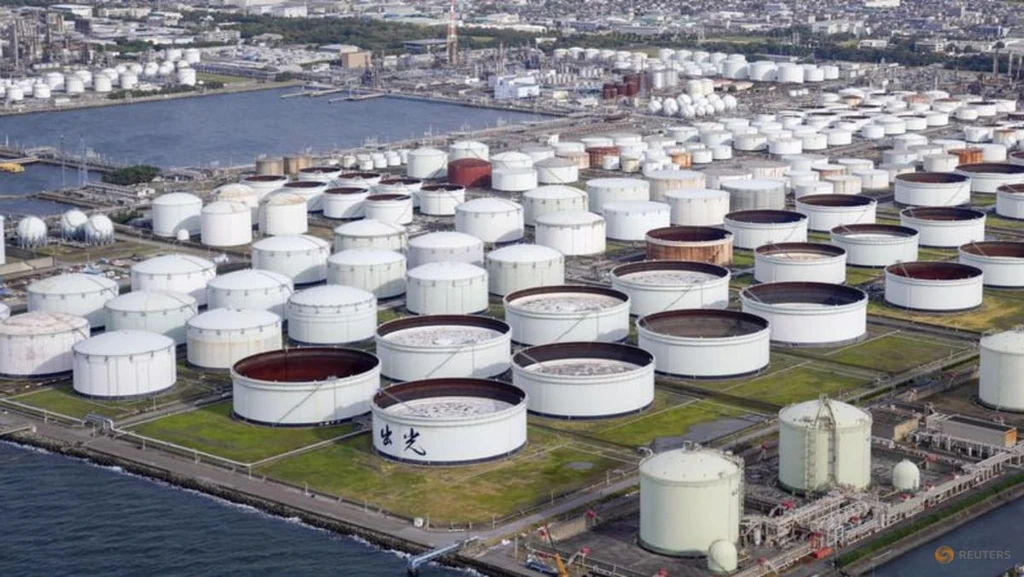
Japanese refineries operated at approximately two-thirds of their designed capacity last week, a rate largely unchanged from the prior week. This reduced operational level reflects the ongoing difficulties in securing crude oil supplies following disruptions related to the Iran conflict.
Refinery runs stood at 67.8% for the week ending April 11, a slight increase from 67.7% the previous week, but significantly below the over 80% utilization seen before late February. The Petroleum Association of Japan reported these figures.
Officials indicate the situation may improve next month, with Japan utilizing its national oil reserves and securing substitute crude for over half the volume previously imported via the Strait of Hormuz. Middle Eastern crudes typically account for 95% of Japan's oil imports.
However, Japanese refineries face limitations in processing alternative crude grades, as their facilities are primarily designed for medium-sour Middle Eastern crude. Analysts suggest Japan can temporarily incorporate up to 30-50% non-Middle Eastern crude but a full replacement is challenging.
New supply sources are emerging from the U.S., Japan's key ally, and discussions are underway with producers in Malaysia, Azerbaijan, Brazil, Nigeria, and Angola. While blending with lighter U.S. or West African crudes is possible, it may alter output yields, favoring gasoline and naphtha over diesel and jet fuel.
Refiners like Idemitsu Kosan and Taiyo Oil are exploring crude purchases globally, though challenges with refinery equipment when processing non-Middle Eastern oils persist. Japan's top refiners, Eneos and Cosmo Energy, have not commented on specific capabilities.
Most Japanese refineries were built between the 1960s and 1970s and have not undergone major upgrades, partly due to declining domestic fuel demand. Gasoline demand is projected to decrease by 10% by 2030, prompting refiners to increasingly invest in renewable energy sources.