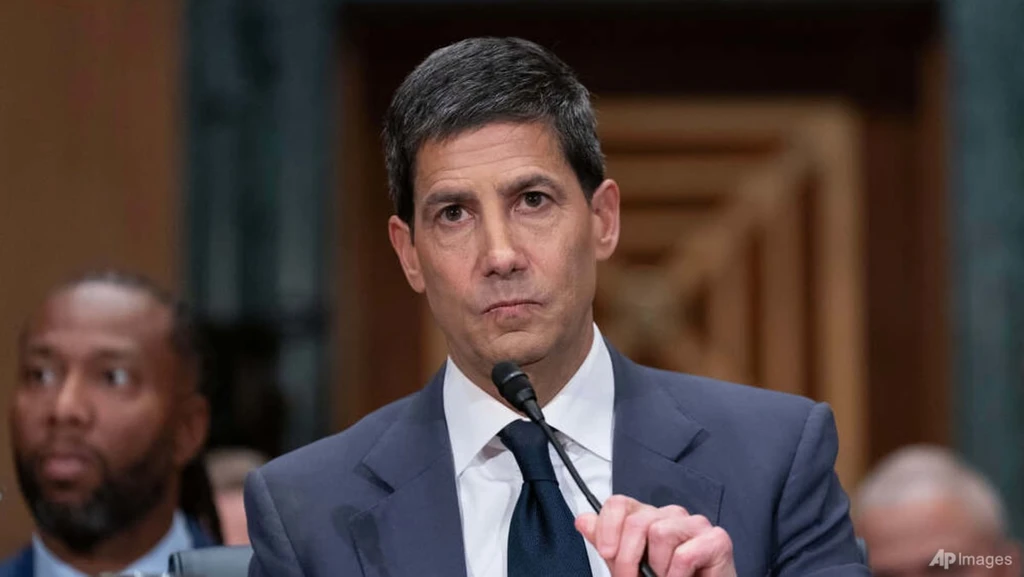
Federal Reserve Chair Kevin Warsh assumes leadership of the Federal Open Market Committee (FOMC) next week, navigating a precarious economic landscape. Inflation has reached a three-year high, driven by soaring energy prices from the ongoing US-Israel conflict with Iran. Despite this, the White House maintains intense pressure on the central bank to lower interest rates.
The 12-member committee is widely expected to hold the benchmark rate steady at 3.50 to 3.75 percent during its two-day session beginning June 16. This decision reflects the divided nature of the board, which recorded four dissenting votes in April, the highest level of disagreement since 1992.
Warsh, a Trump appointee sworn in last month, previously signaled support for rate reductions. However, current data suggests a different trajectory. Markets now forecast a potential rate hike by December as war-fueled inflation persists. Analysts note that while Trump desires lower borrowing costs, the economic reality limits Warsh's ability to comply without risking further price instability.
The Fed faces a dual mandate of controlling inflation and ensuring maximum employment. With job growth remaining robust, the focus has shifted squarely to price stability. Experts warn that delaying necessary rate hikes poses significant risks. Warsh has advocated for transparent, albeit contentious, internal debates, but the current environment offers little room for error as he balances political expectations with economic necessity.