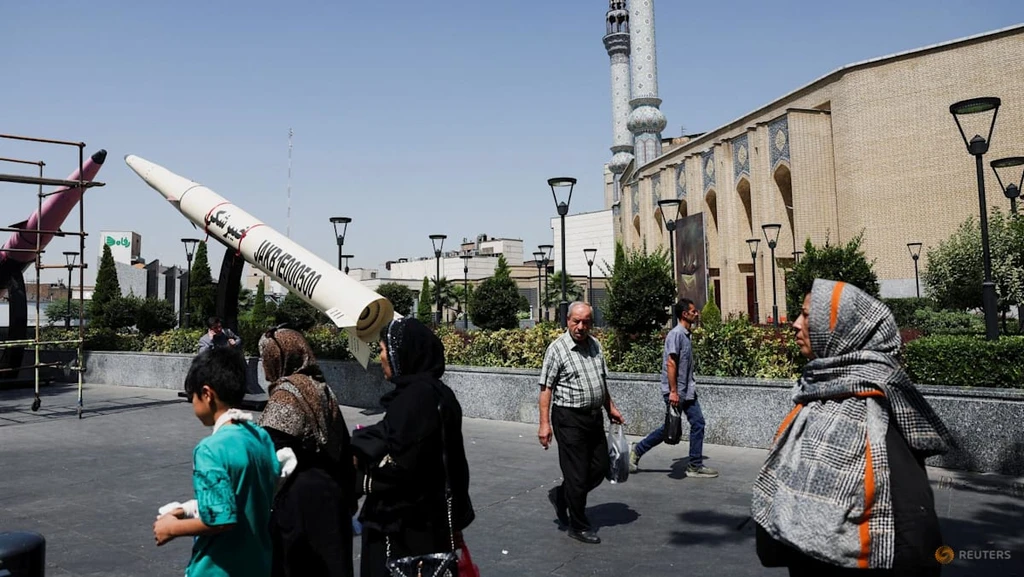
The United States and Iran have signaled that a peace agreement is imminent, with both sides reportedly agreeing on text for an initial deal. Iranian Foreign Minister Abbas Araghchi declared Iran the "winner" of the conflict, asserting the nation emerged stronger despite the tentative nature of the accord.
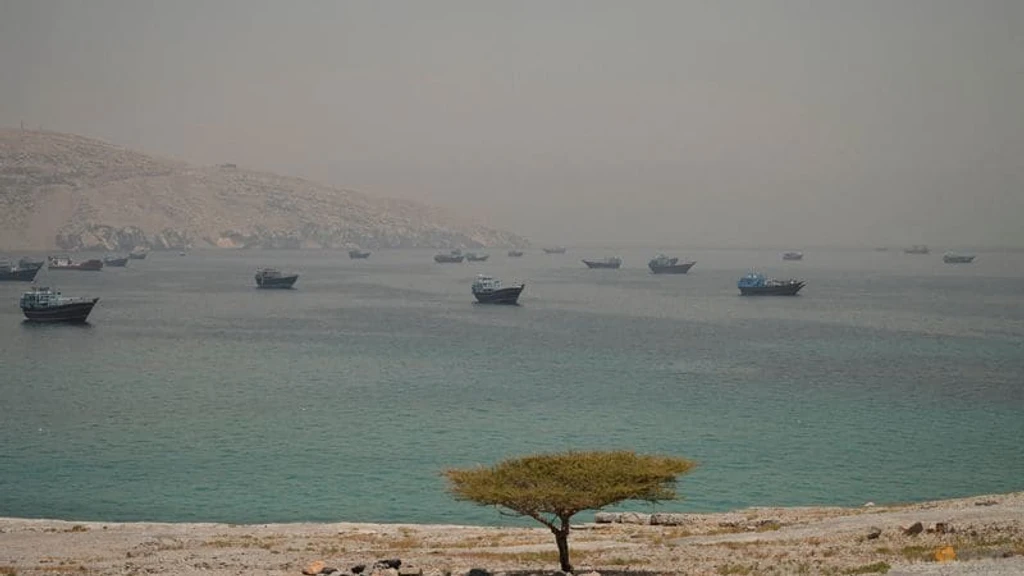
Tensions remain high on the ground. US forces recently intercepted multiple Iranian attack drones near the Strait of Hormuz, citing threats to commercial traffic. While Iranian media reported explosions in Sirik port and Qeshm island, US Central Command confirmed the waterway remains open for transit.
The proposed memorandum focuses on reopening the strategic strait and lifting the US naval blockade on Iranian ports. In exchange, Washington plans to release billions in frozen assets and waive oil sanctions. Crucially, negotiations regarding Iran’s nuclear program are deferred to a subsequent 60-day period.
Disagreements persist over nuclear specifics. The US demands dismantling of enriched uranium stockpiles, while Tehran insists on down-blending the material. President Donald Trump’s administration maintains the deal is performance-based, requiring verified compliance before fund releases.
Israel, a key US ally in the conflict, is not party to the negotiations. Prime Minister Benjamin Netanyahu stated Israel would not join the agreement and intends to retain military freedom in occupied areas, clashing with US diplomatic efforts. Market reactions were immediate, with Brent crude dropping over 3 percent as investors priced in reduced geopolitical risk.