
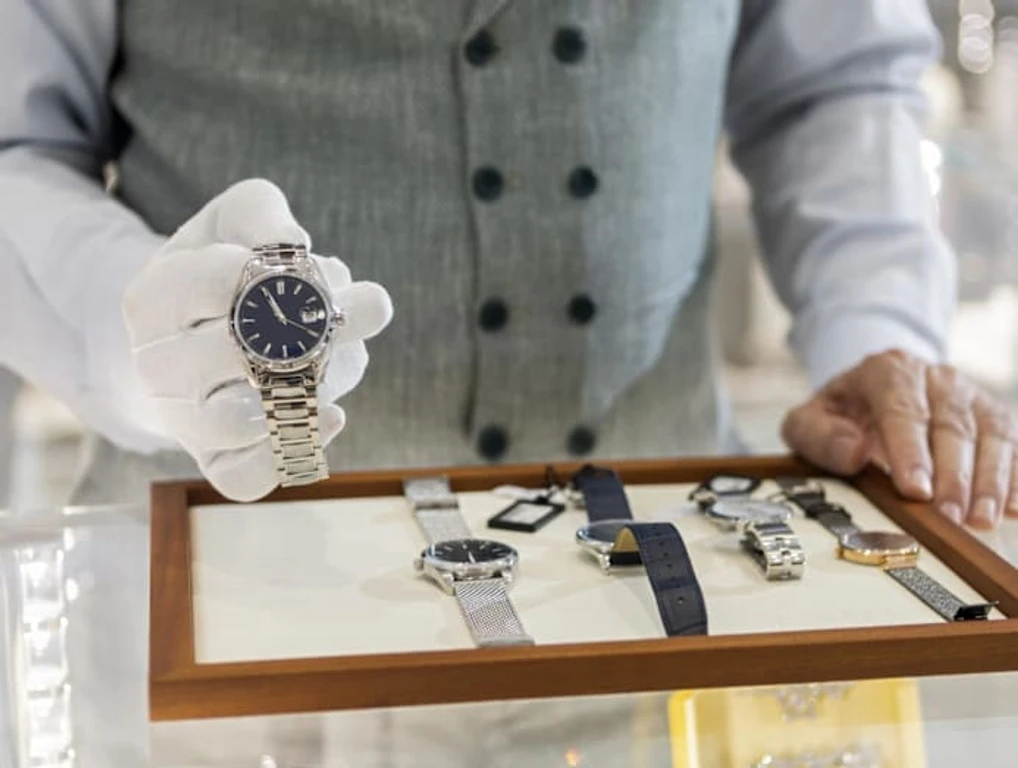
Some affluent buyers view designer handbags, watches, and jewelry as alternative investments-citing record auction prices like the $31 million Patek Philippe Grandmaster Chime or the $450,000 Hermès Himalaya Birkin. But financial experts warn these are speculative, not strategic, assets.
Karen Tang, a certified financial planner, stresses that luxury goods lack the liquidity, income generation, and stability of true investments like equities or real estate. Prices hinge on fleeting trends, brand hype, and controlled resale markets-making appreciation the exception, not the rule.
Florence Low, founder of LuxLexicon, acknowledges that select items-like colored diamonds or limited-edition timepieces-can retain value, especially if kept in pristine condition with original boxes, certificates, and minimal use. But wear and tear drastically reduce resale potential for bags and watches.
Art, too, has been formalized as an asset class through indices like Mei Moses, yet even blue-chip works require climate-controlled storage, provenance documentation, and carry high transaction costs.
Ultimately, advisors urge: buy luxury because you love it-not for profit. If you later recoup your cost after years of enjoyment, consider it a bonus. Never count these items in your retirement strategy.