
The US retirement system is undergoing a significant transformation, with cryptocurrency poised to become a core component of 401(k) plans. This shift marks a move from a decade of regulatory ambiguity and litigation concerns to a new era of integration.
Previously, the Department of Labor (DOL) imposed strict measures, effectively banning crypto assets in retirement plans. However, a landmark Executive Order from President Donald Trump in August 2025 redefined the government's stance, mandating access to "alternative assets," explicitly including crypto. This move follows the DOL's May 2025 rescission of its restrictive 2022 guidance, re-establishing a principled approach to asset class evaluation.
Upcoming DOL guidance is expected to clarify fiduciary safe harbors, likely including requirements for qualified custody, liquidity, and portfolio allocation caps. While adoption will be gradual, the stability provided by regular payroll contributions within 401(k)s offers a unique stabilizing effect for digital assets.
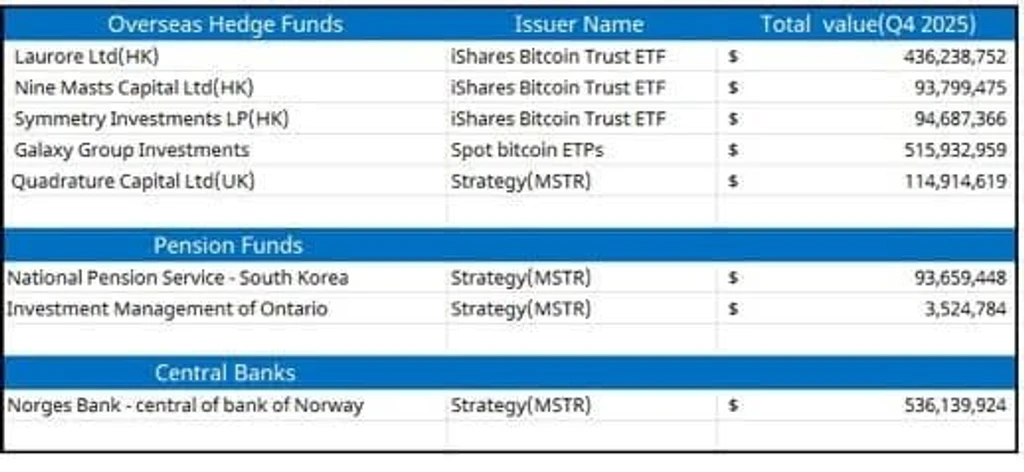
Institutional investors globally are increasingly viewing digital assets as strategic for diversification. Hedge funds from Hong Kong and the UK are accumulating spot Bitcoin ETFs, while entities like Norway's Central Bank and South Korea's National Pension Service have increased exposure to MicroStrategy (MSTR). Despite some pullback, like the National Bank of Canada's reduction in MSTR holdings, the overall trajectory points toward broader global regulatory acceptance and integration.