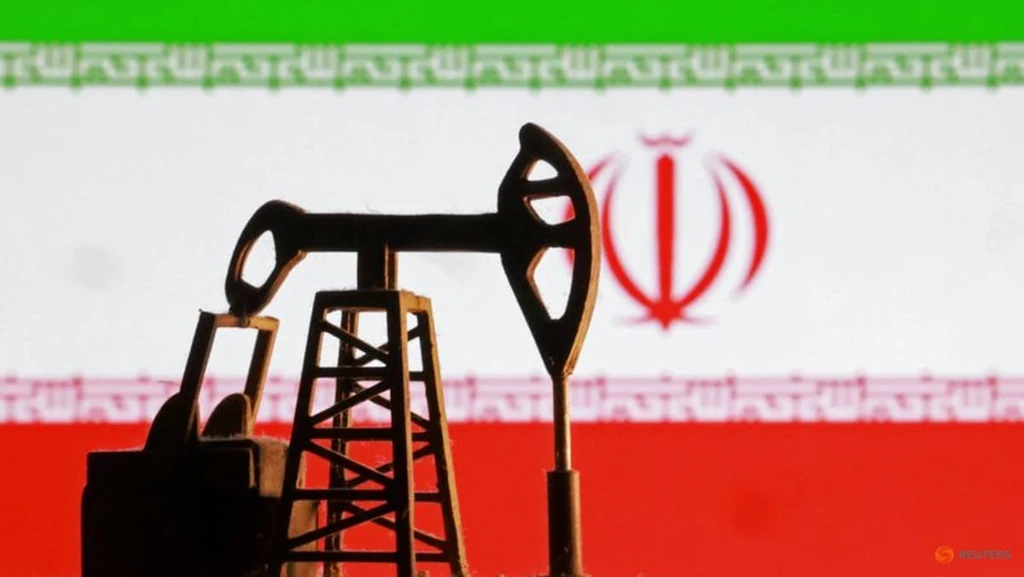
Oil prices are trading near seven-month highs as geopolitical tensions between the U.S. and Iran intensify. Investors are closely watching potential supply disruptions stemming from military posturing in the Middle East.
Brent crude futures saw a slight increase, while WTI futures also edged higher. These price levels mark the highest since late July and early August, respectively. The U.S. has positioned military forces in the region, aiming to pressure Iran regarding its nuclear and ballistic missile programs. An extended conflict could significantly impact supply from Iran, a key OPEC producer, and other nations in the vital Middle East region.
President Trump's recent State of the Union address highlighted concerns over Iran's role as a state sponsor of terrorism and its pursuit of nuclear weapons. Analysts suggest this geopolitical uncertainty will continue to drive a significant risk premium in the market, making it highly sensitive to new developments.
U.S. envoys are scheduled for further talks with an Iranian delegation in Geneva. Iran's Foreign Minister indicated a potential deal is achievable if diplomacy is prioritized. However, the outcome hinges on whether Iran's concessions will align with the U.S. demand for zero uranium enrichment.
Amid these heightened tensions, reports suggest Iran is accelerating discussions to acquire Chinese anti-ship cruise missiles, potentially targeting U.S. naval assets.
Simultaneously, the market is grappling with concerns over increasing U.S. oil inventories. The American Petroleum Institute reported a substantial rise in U.S. crude stockpiles for the week ending February 20. Official inventory data from the Energy Information Administration is expected soon.