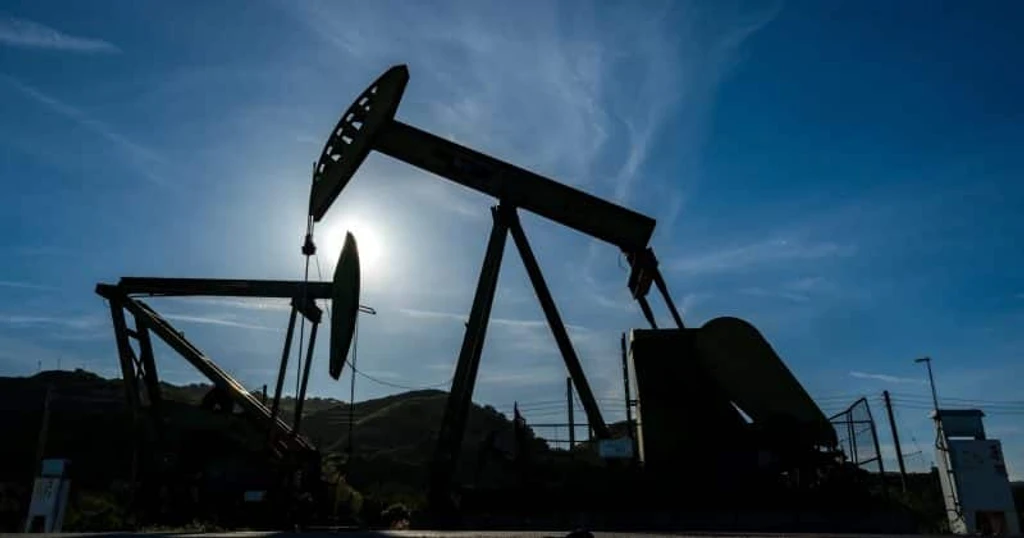
Brent crude surpassed $80 per barrel on June 19 after the United States and Iran cancelled planned diplomatic talks. This development halts an interim peace framework signed earlier this month that had temporarily stabilized energy markets.
The collapsed agreement aimed to reopen the Strait of Hormuz and extend a ceasefire. Approximately 20% of global oil supply transits this critical chokepoint. When tensions escalated in February 2026, Brent spiked above $120 per barrel before the recent diplomatic thaw brought relief.
Rising energy costs now threaten to reverse cooling inflation expectations. Digital asset markets previously rallied alongside equities as oil prices retreated, but renewed geopolitical uncertainty introduces fresh volatility. Bitcoin and Ethereum remain sensitive to these macro shifts.
Iranian entities reportedly hold $7.7 billion in digital assets linked to sanctions evasion. Renewed hostilities may prompt stricter Western regulatory compliance for exchanges and DeFi protocols, creating potential selling pressure despite long-term adoption trends.
Investors must now determine if this cancellation is a temporary delay or a permanent diplomatic breakdown. A full collapse could push oil back toward triple digits. Market participants should monitor forward contract spreads to gauge future supply expectations.