Indonesia's digital lending boom offers vital credit to millions excluded from traditional banking, but it has also fueled a dangerous cycle of debt. Peer-to-peer (P2P) platforms allow direct borrowing and lending, bypassing banks. For many, like entrepreneur Dimbon Evans, these apps provided convenient access to funds, initially for small purchases.
However, the ease of access and automatically increasing credit limits led Dimbon into a spiral. Within 18 months, he accumulated nearly 100 million rupiah (US$595) in outstanding loans across 18 platforms, both legal and illegal. His monthly debt payments eventually exceeded his income, forcing him to borrow from other P2P lenders to service existing debts.
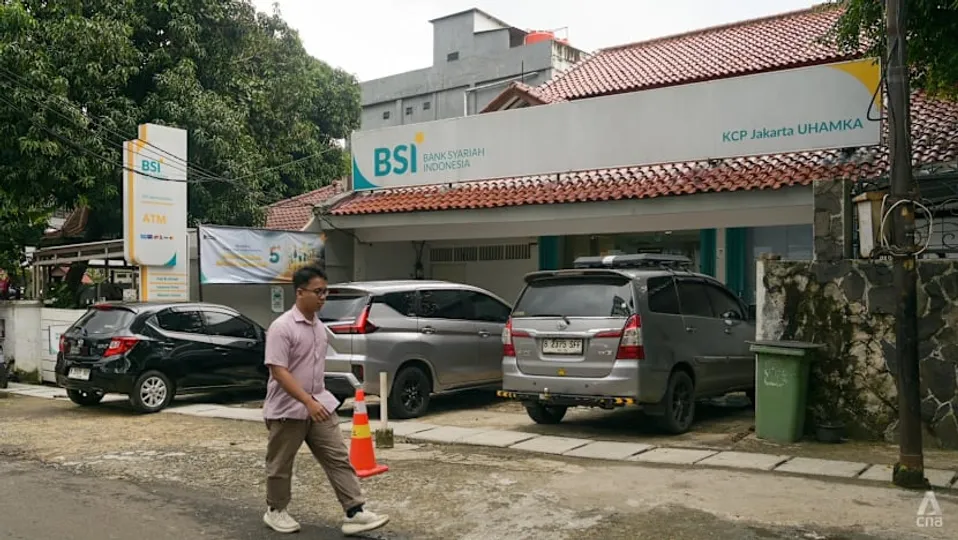
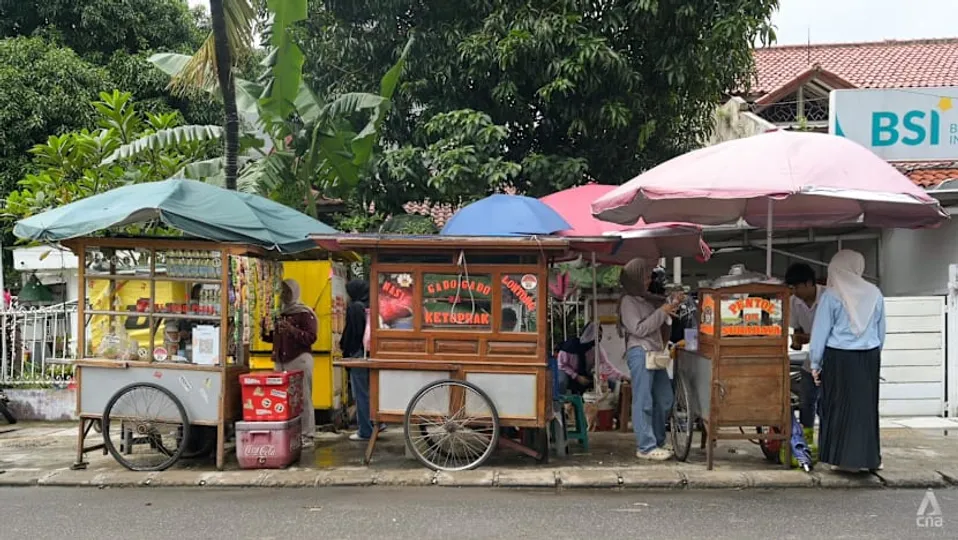
About half of Indonesia's 280 million people lack access to formal banking due to stringent requirements and loan sizes unsuitable for short-term needs. Digital platforms fill this gap, processing loans as small as five million rupiah instantly. This accessibility, amplified by rising smartphone use and the pandemic's economic impact, has propelled P2P lending.
Outstanding P2P loans in Indonesia reached nearly 90 trillion rupiah in September 2025, a significant jump from 3.9 trillion rupiah in 2018. While still smaller than bank loans, P2P lending significantly impacts lower-income borrowers with high-interest, short-term loans. This rapid growth outpaces financial literacy, leaving borrowers vulnerable to underestimating interest rates and long-term consequences.
Illegal lenders exacerbate the problem. When borrowers are flagged for repayment issues on regulated platforms, they turn to illicit alternatives. These operators often use harassment and public shaming, leveraging private data to extract payments. Dimbon himself faced threats and had his personal data shared with contacts after borrowing from an illegal platform.
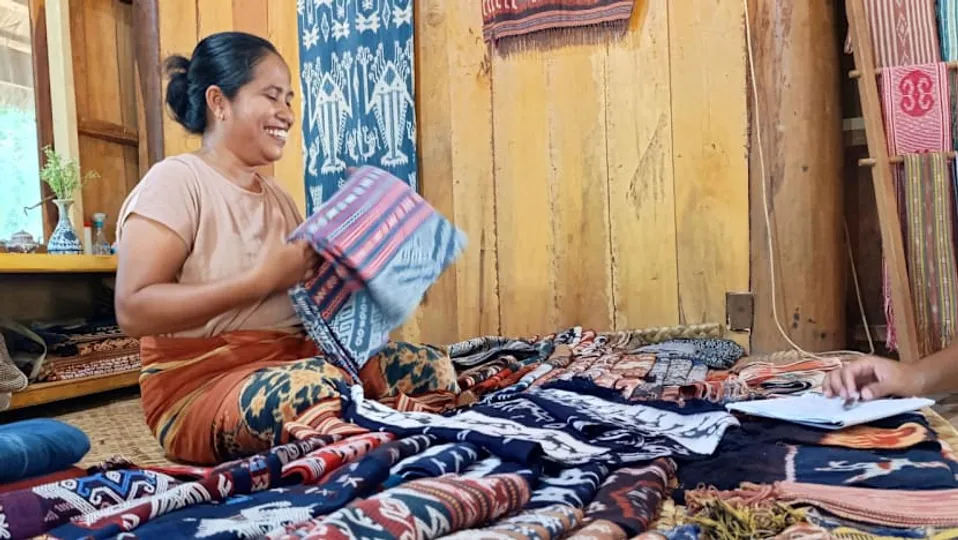
Despite the risks, P2P lending can empower businesses. Antika Ngguna Pandaung, a small business owner in Sumba, successfully used a five million rupiah loan from Amartha, a legal P2P platform, to purchase weaving materials and expand her enterprise. Amartha focuses on productive microloans for rural women, using a group-based lending model emphasizing collective responsibility and financial mentoring.
Indonesian authorities are tightening regulations, capping interest rates and cracking down on illegal platforms. However, experts emphasize that regulation alone is insufficient. Addressing aggressive debt collection, data privacy, and psychological tolls requires a broader social approach. The government is urged to collaborate with lenders to provide alternative financing and supportive regulations for all parties involved.
Dimbon, now debt-free, learned a hard lesson. He believes digital loans can be beneficial for emergencies or business when used cautiously, but warns against using them for lifestyle spending, which can become a "boomerang."