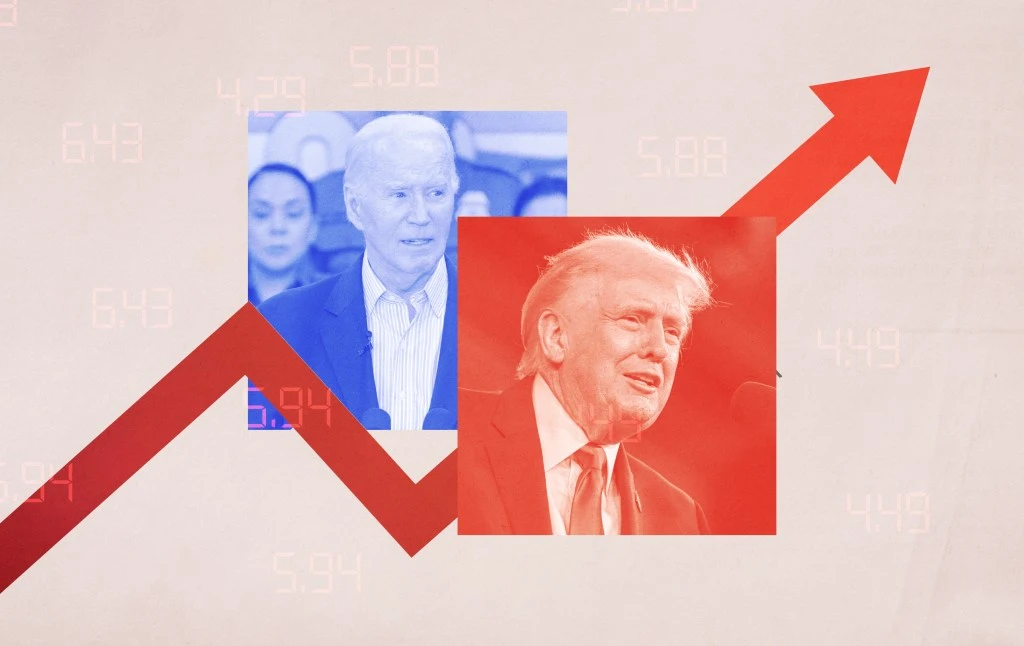
Inflation-weary voters are watching gas prices spike from $2.80 to nearly $4 per gallon, a policy-driven increase linked to President Donald Trump's decision to attack Iran without securing oil shipping through the Strait of Hormuz. Despite rising prices and recession fears, political leaders often ask voters to accept higher costs as necessary for other policy goals.
President Joe Biden ignored inflation risks while pursuing an aggressive agenda with the American Rescue Plan, adding $1.9 trillion to already substantial fiscal stimulus. Leading economists warned that this would exacerbate inflation, but their concerns were dismissed in favor of tangible benefits to key constituencies. The Federal Reserve later confirmed that fiscal stimulus added roughly 3 percentage points to inflation, which eventually hit 9.8 percent.
President Donald Trump, after campaigning on ending 'Bidenflation,' adopted his own inflationary agenda upon re-entering the White House. His policies included tariffs, tax cuts, spending expansions, immigration deportations, and demands for lower Federal Reserve interest rates. Like Biden, Trump treated inflation as a messaging problem rather than addressing it seriously.
The broader economic cost includes falling long-term growth projections to 1.8 percent annually, elevated interest rates suppressing investment, and consumer confidence at a 12-year low. Voters remain concerned about price stability, questioning when political leaders will prioritize economic health over pet projects.