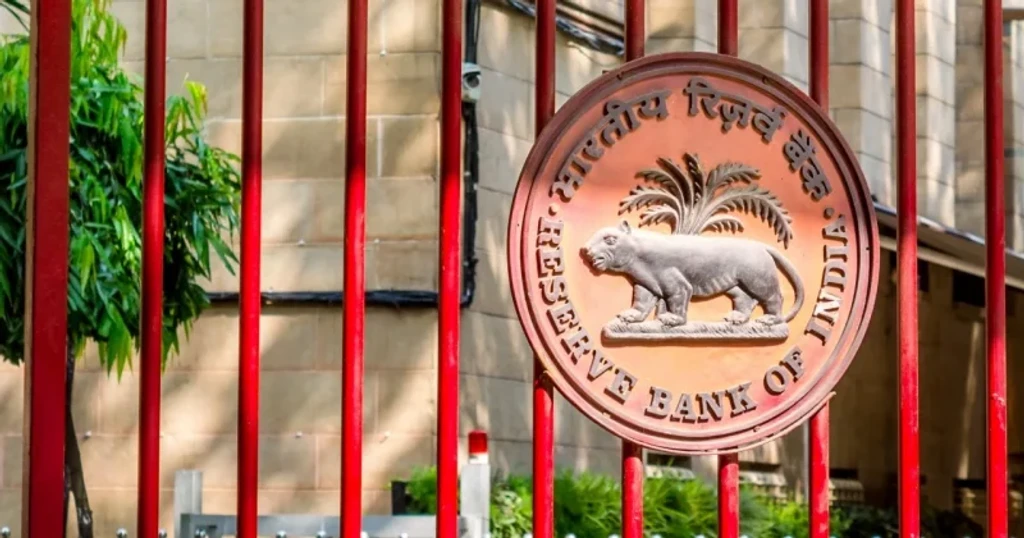
India's central bank just pulled off a monetary policy balancing act: keep rates where they are, but find other ways to support the rupee.
On June 5, the Reserve Bank of India unanimously voted to hold its benchmark repo rate at 5.25% for the third consecutive meeting, while simultaneously unveiling a package of measures aimed at attracting foreign capital inflows.
The decision reflects a central bank caught between competing pressures. Inflation is climbing, growth is slowing, and geopolitical tensions-particularly involving Iran and broader West Asia instability-have sent energy prices soaring. Raising rates would defend the rupee but choke an already decelerating economy. Cutting them would be reckless with inflation running hot.
The MPC voted unanimously to maintain its neutral policy stance, keeping the repo rate at 5.25%, the standing deposit facility rate at 5.0%, and the marginal standing facility and bank rate at 5.5%.
But the rate decision was almost secondary to the broader package. The RBI introduced tax exemptions for eligible foreign investors on interest income and capital gains from government securities. It also offered more favorable terms for foreign-currency deposits from non-resident Indians, and rolled out subsidies on hedging costs for certain offshore borrowings.
The immediate market reaction was relatively calm. Indian stock indices held their gains following the announcement.
The macro picture behind these measures is not reassuring. The RBI cut its GDP growth forecast for the fiscal year 2026/27 to 6.6%, down from a previous estimate of 6.9%. At the same time, it raised its inflation projection to 5.1% from 4.6%.
The rupee’s struggles are not homegrown. High oil prices are the primary culprit. India imports roughly 85% of its crude oil, making it acutely vulnerable to energy price spikes. When oil gets expensive, India’s import bill balloons, more dollars flow out, and the rupee weakens.
The RBI’s approach of using targeted capital-flow measures rather than rate hikes is a deliberate signal. The central bank wants to avoid suggesting that monetary policy is being retooled solely to defend the exchange rate. The growth downgrade to 6.6% also matters for risk appetite more broadly. India has been one of the world’s fastest-growing major economies, and institutional allocators have been increasing exposure to Indian assets accordingly.