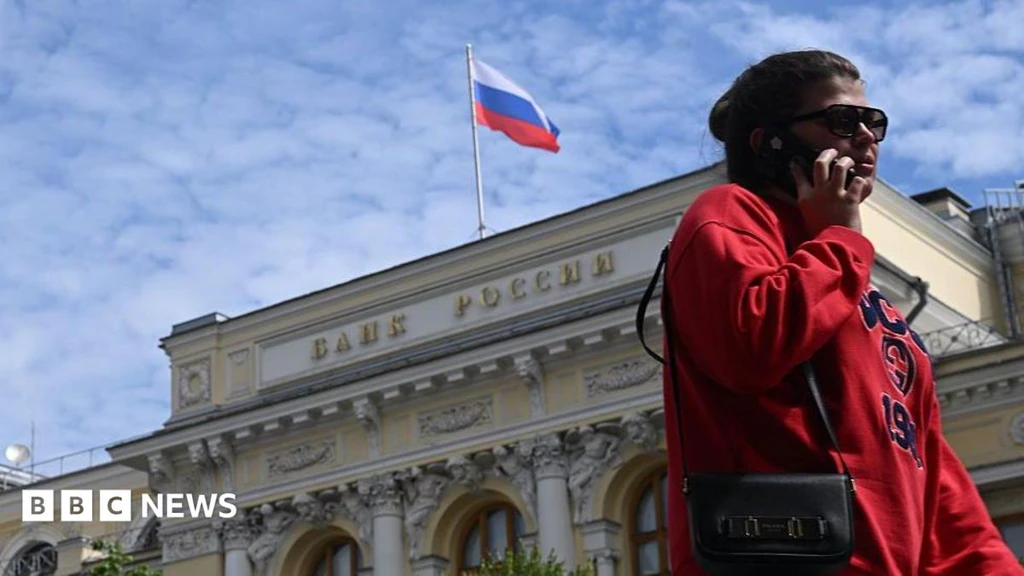
A significant shift to cash is straining the Russian state's ability to collect taxes as it faces a widening budget deficit to fund the war in Ukraine.
Cash withdrawals surged after the 2022 mobilization and the 2023 Wagner mutiny. Now, businesses from pharmacies to corner shops are steering customers toward cash to keep income off the books, driven by a recent hike in the Value Added Tax (VAT).
"Most of those still trading ask customers to pay in cash whenever they can, so less money goes through the till," said a small clothing shop owner in Pskov.
Sberbank's chief financial officer warned of "very serious signs" that more businesses were paying wages "in envelopes." A survey by Opora Russia found about 6% of entrepreneurs were using "grey schemes" to avoid cash-register receipts.
This trend directly undermines Kremlin efforts to boost revenues. The government raised the VAT from 20% to 22% in January to fund the war, but the move is inadvertently pushing more activity into the shadow economy.
Despite high deposit rates of 10%, Russians withdrew 550 billion rubles from bank accounts in May. The Soviet-era instinct to keep money "under the mattress" is resurgent.
The situation creates a government conflict: one arm raises taxes, while security measures like mobile internet shutdowns undermine collection by disrupting digital payments. The broader economy is slowing, with the 2026 GDP growth forecast cut to just 0.4%.