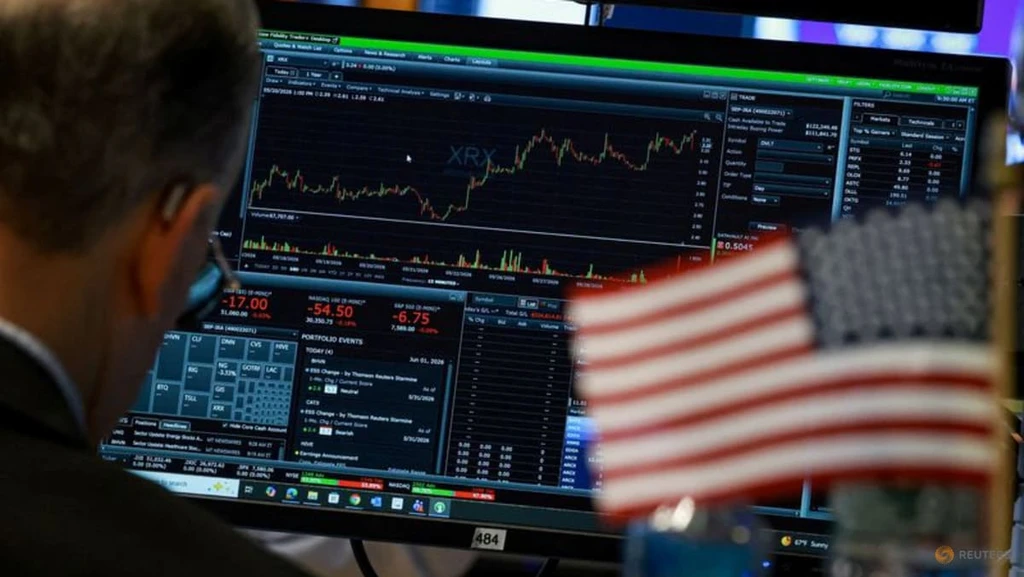
Global markets surged in Asian trading after the U.S. and Iran reached a peace deal to reopen the Strait of Hormuz, ending a protracted blockade.
U.S. crude futures fell more than 4%. S&P 500 futures rose roughly 0.8%, while the dollar weakened against major currencies, pushing the yen to 159.7 and the euro to $1.1616.
Despite the initial euphoria, leading strategists cautioned the reaction is likely contained. Jason Wong, Senior Markets Strategist at BNZ, noted the move was well-anticipated. “What you see on your screens today-we’re probably most of the way there now,” he said.
Analysts emphasized that logistical hurdles remain. Nick Twidale of ATFX Global and Kristina Clifton of Commonwealth Bank of Australia warned it will be months, not weeks, until oil flows fully normalize. Clifton added that energy prices are unlikely to return to pre-conflict levels anytime soon due to damaged infrastructure.
Mahjabeen Zaman of ANZ suggested there is still room for cyclical currencies to rise but warned the market may soon scrutinize the specific terms of the deal. Chris Weston of Pepperstone said the agreement allows the market to refocus on demand, earnings, and central bank expectations, favoring a “short volatility” trade.