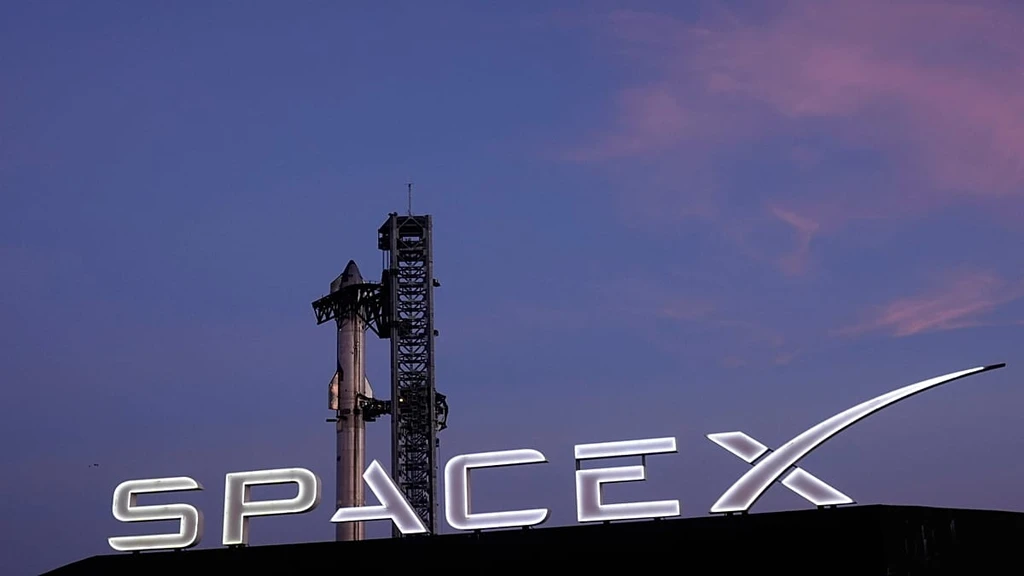
SpaceX officially begins trading on the Nasdaq under ticker SPCX, marking the largest stock market debut in history. Priced at $135 per share, the company raised $75 billion, establishing a staggering $1.75 trillion valuation that eclipses previous records set by Saudi Aramco.
Retail investor enthusiasm drove demand well beyond the offering target, with platforms like Robinhood and Fidelity processing approximately $100 billion in orders. However, beneath the hype lie five significant risks for investors.
First, the valuation appears stretched. At 94 times its 2025 annual revenue of $18.7 billion, SpaceX trades at a premium far exceeding tech giants like Nvidia. Morningstar values the firm at $780 billion, labeling the current price significantly overvalued. Sustaining this level would require revenues to exceed $100 billion by 2030, implying a compound annual growth rate above 40%.
Second, the public float is exceptionally thin. Only 3% to 4% of shares are available for public trading, with insiders and existing investors holding more than 75%. While limited supply may support early prices, historical IPO data suggests first-day gains often fade over three years as lock-up restrictions expire.
Third, profitability remains elusive. The company reported a net loss of $4.27 billion in the first quarter of 2026, up from $528 million the prior year. This deficit is largely driven by xAI, which incurred an operating loss of $6.4 billion in 2025 due to massive infrastructure spending. Although Starlink remains profitable, the broader entity carries an accumulated deficit of $41.3 billion.
Fourth, the AI growth strategy relies heavily on contracted compute capacity. Recent deals with Google and Anthropic promise billions in monthly revenue. Yet, these agreements include short termination clauses and are viewed by some as temporary bridge capacity rather than permanent commitments.
Finally, key-person risk centers on Elon Musk. His Class B shares grant him 85% of voting power, effectively insulating his control from outside shareholders. Critics highlight governance concerns, including Texas incorporation laws that limit derivative lawsuits, prompting some institutional investors to blacklist the stock.
As passive funds potentially flow into the Nasdaq 100, the tension between high-growth ambitions and fundamental financial health will define SpaceX’s post-IPO trajectory.