SpaceX has priced its initial public offering at $135 per share, raising $75 billion and establishing a fully diluted valuation of approximately $1.8 trillion. This marks the largest IPO in history, surpassing Saudi Aramco’s 2019 record.
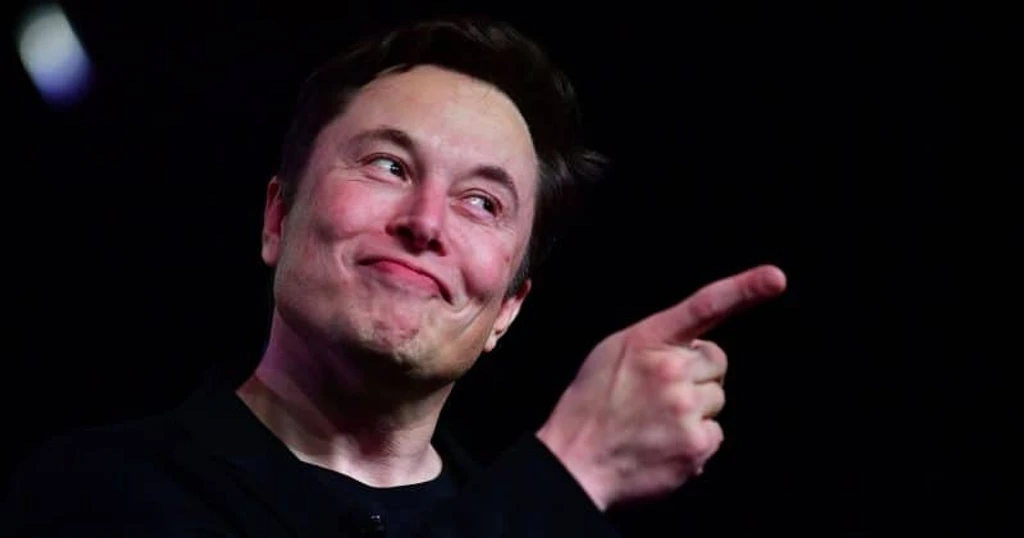
The listing will trade on Nasdaq under the ticker SPCX following June 12, 2026. Elon Musk, holding roughly 6.4 billion shares, is projected to become the world’s first verified trillionaire as his net worth crosses the $1 trillion threshold.
Investor demand was intense, with pre-IPO secondary markets and prediction platforms like Polymarket suggesting valuations nearing $2 billion before public trading began. The capital influx supports ambitious projects, including space-based AI data centers.
Analysts warn of immediate capital rotation effects. Institutional investors are likely to rebalance portfolios, moving funds from risk assets like Bitcoin and Ethereum into the new SPCX equity. This migration mirrors historical trends but operates against a significantly larger digital asset market.
Musk’s concentrated wealth across SpaceX, Tesla, and xAI creates unique market dynamics. His strategic decisions continue to influence crypto sentiment, making Bitcoin and Ethereum volumes critical indicators during the SPCX debut.
The event highlights the growing intersection of traditional equity markets and digital asset ecosystems, where synthetic exposure via crypto derivatives now precedes major corporate listings.