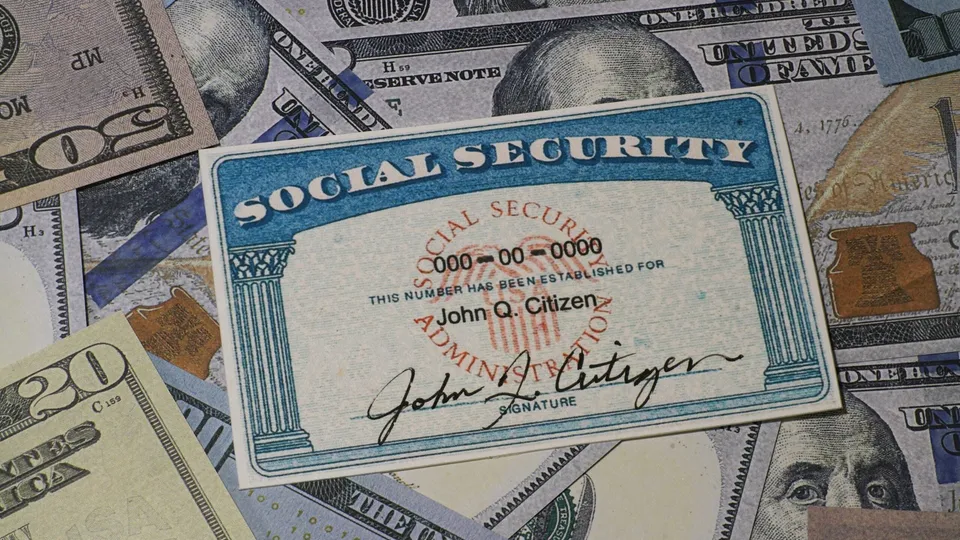
A recent legislative change, the Social Security Fairness Act, enacted at the start of 2025, is unexpectedly leading to tax complications for approximately 3.2 million public-sector retirees. The Act repealed the Windfall Elimination Provision (WEP) and the Government Pension Offset (GPO), which had previously reduced benefits for retirees receiving both Social Security and a pension.
The law's retroactive effective date to January 2024 resulted in significant one-time payments and higher monthly benefits starting this year. However, these income spikes have triggered substantial, unanticipated tax obligations for many beneficiaries.
In response, Representative Lance Gooden, R-Texas, introduced the bipartisan "No Tax on Restored Benefits Act." This proposed legislation aims to amend the tax code, specifically excluding retroactive Social Security payments tied to the repeal of WEP and GPO from federal taxable income.
"It was never intended to saddle widows, low-income seniors, and dedicated public servants with an unexpected tax bill," stated Representative Chellie Pingree, D-Maine, a cosponsor of the bill. The exact amount of additional taxes depends on an individual's total income, including taxable Social Security benefits, which can comprise up to 85% of total benefits for higher earners.
Beyond direct income tax, these increased payments can also push individuals into higher tax brackets or affect Medicare premiums through the Income-Related Monthly Adjustment Amount (IRMAA).