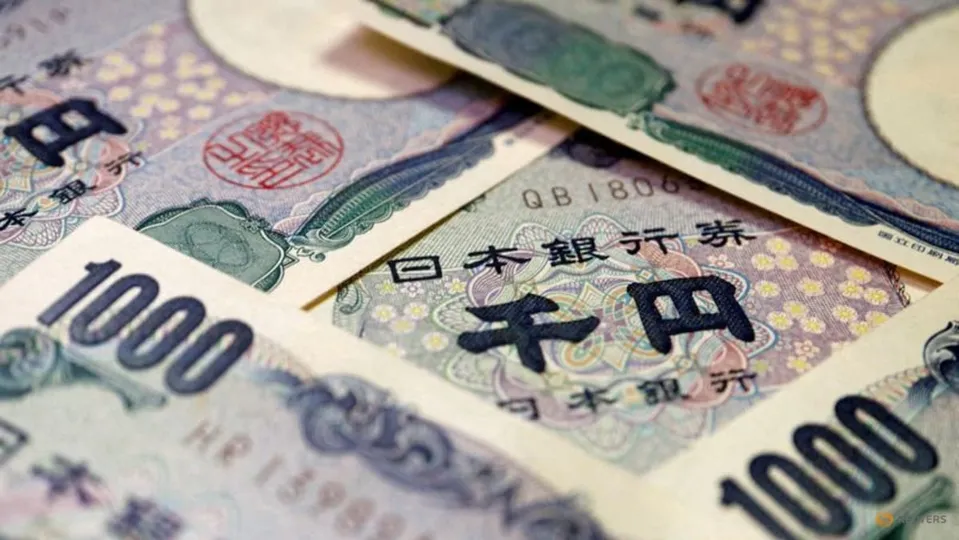
U.S. authorities initiated "rate checks" in January to bolster the yen and indicated readiness for joint intervention upon Japan's request, according to Nikkei. The New York Federal Reserve, acting for the U.S. Treasury, led these checks without a prior request from Japan's Ministry of Finance.
U.S. Treasury Secretary Scott Bessent reportedly spearheaded these actions due to concerns that political uncertainty before Japan's general election could destabilize its markets and affect global finance. The rate checks were a preliminary step toward potential yen-buying intervention, with the U.S. prepared to act if Tokyo requested it.
Senior U.S. officials highlighted that these actions were based on the principle of the U.S. using its economic strength to stabilize allies. The U.S. central bank confirmed it had requested dollar/yen rate quotes from dealers last month at the Treasury's behest, a move that strengthened the yen and alerted investors to potential U.S.-Japan currency intervention.
The yen had approached the psychologically significant 160 mark against the dollar, a level considered likely to prompt intervention. Following the rate checks, the yen surged over 1% to a three-month high of 152.10 per dollar. A weak yen poses a challenge for Japanese policymakers, driving up import costs and the cost of living.