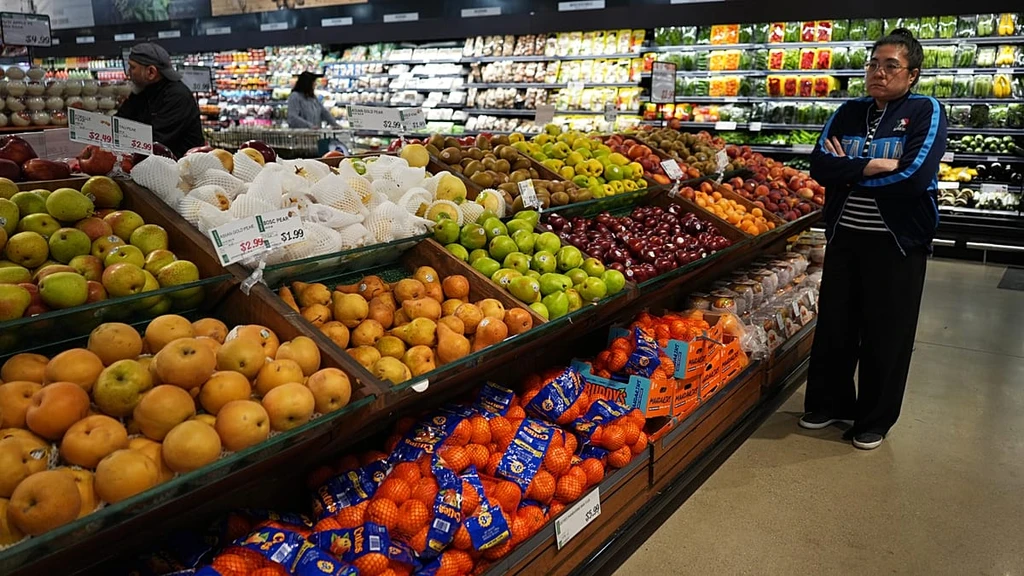
Inflation is down, but the sting at the supermarket checkout remains. The core issue: lower inflation does not mean lower prices, just a slower rate of increase.
Across the EU, food prices have surged 33.2% between 2016 and 2025, the largest cumulative increase of any consumer category, according to Eurostat. Globally, OECD data shows food price levels are nearly 46% higher than in December 2019.
Labor costs are a key driver. Wages across the food supply chain have risen significantly. ECB data shows agricultural wages rose 6.2% year-on-year in 2022 and remained above 5% through 2023. These costs are passed down to consumers, as retailers operate on thin margins-average EBIT margins in the sector are just 2.8%, per McKinsey.
Upstream costs are rising again. Commodity prices for milk, eggs, and cereals jumped in Q1 2025. The World Bank flagged a near 46% spike in fertilizer prices due to Middle East conflict disruptions. The ECB warns these costs will keep food inflation above 2% into 2027.
Regional disparities are stark. While France saw 0.7% food inflation, Romania recorded 6.7%. In Hungary, food prices have more than doubled since 2015. Eastern European households spend a far larger share of income on food-25% in Romania versus 11.5% in Germany-making the burden significantly heavier.