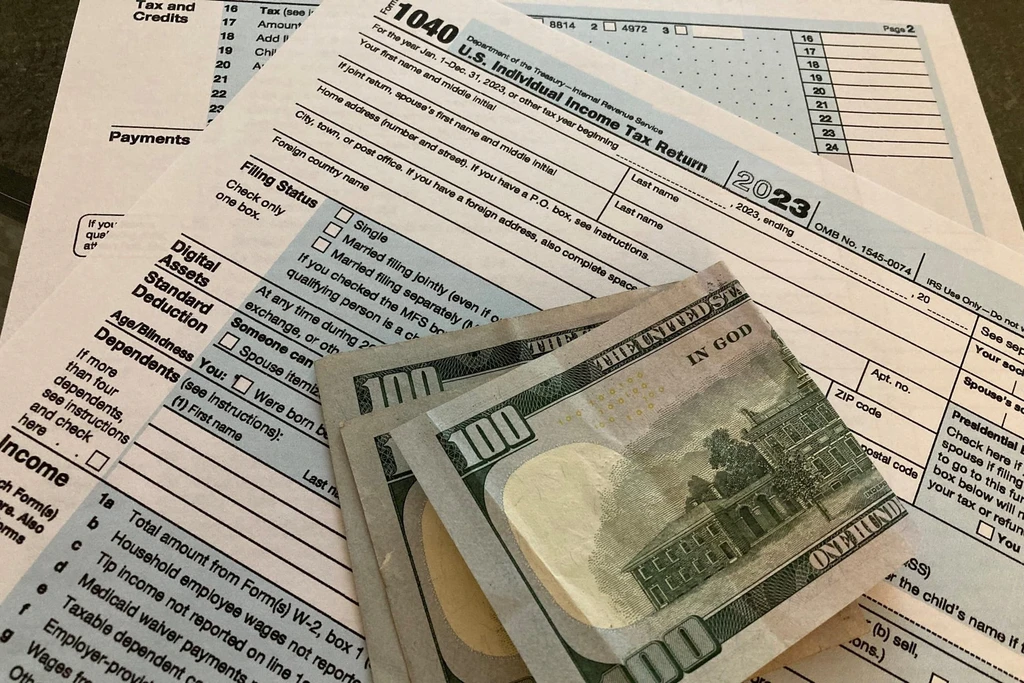
Nearly half of American taxpayers are relying on IRS refunds to manage their finances in 2026, according to a LendingTree survey. The IRS has issued $161 billion in refunds through March 6-11% more than the same period last year-with an average refund of $3,676.
Higher refunds follow tax reductions from President Donald Trump’s One Big Beautiful Bill Act, per the nonpartisan Tax Foundation. For many, this check represents the largest single deposit they’ll make all year.
"People just don’t get big checks in the mail all that often," said Matt Schulz, chief consumer finance analyst at LendingTree.
In a March 16 survey of over 1,500 filers, 46% said they are counting on a refund-up from previous years. Yet expectations outpace reality: while nearly 90% believe they’ll receive one, fewer than two-thirds actually do, based on 2025 IRS data.
The trend is strongest among younger demographics and families. Sixty-three percent of parents with children under 18 depend on refunds, compared to 32% of those with adult children. Millennials are also more likely to rely on refunds than Gen Xers.
With inflation, high gas prices, and market volatility squeezing household budgets, 67% of respondents said refunds are important to their financial situation. Thirty percent called them essential.
Top planned uses:
- Pay for everyday expenses (34%)
- Pay off debt (34%)
- Savings or emergency fund (32%)
- Big purchase (19%)
- Personal treat (18%)
- Retirement savings (15%)
Refund status can be tracked via the IRS 'Where’s My Refund?' tool. E-filers see updates within 24 hours; paper filers should wait four weeks. Direct deposit speeds delivery, with most e-filed refunds issued within three weeks.