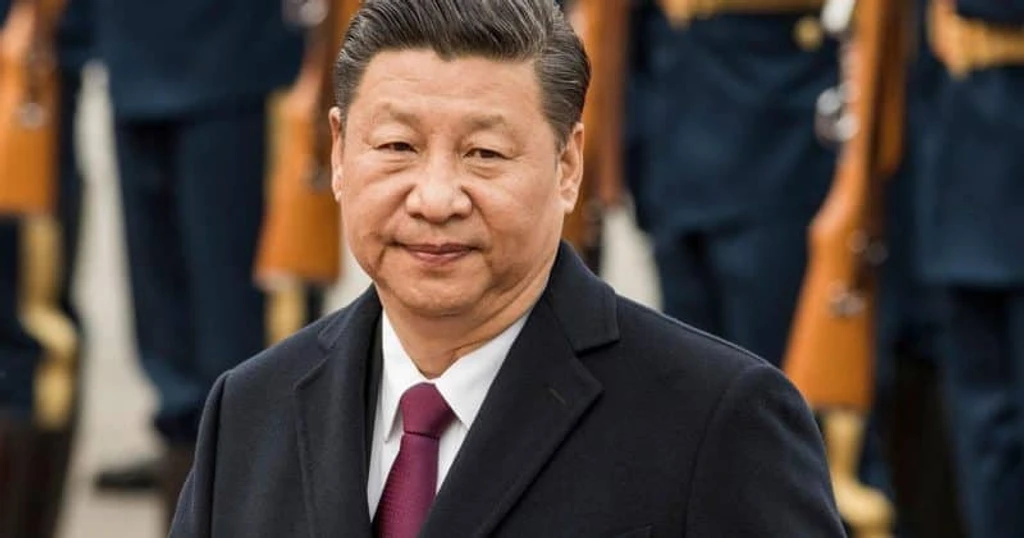
Chinese President Xi Jinping has directed a strategic pivot toward domestic demand to stabilize the nation's economy. Speaking at a national conference on April 8, Xi outlined a plan focused on reforming the services sector through technological upgrades and international cooperation. This directive reinforces the Communist Party Politburo’s December decision to prioritize domestic consumption as the primary economic goal for 2026.
Beijing has set a conservative GDP growth target of 4.5% to 5% for the coming year. This marks a shift from previous targets and signals a deliberate move away from aggressive expansion. The administration is prioritizing structural reform over sweeping stimulus packages, aiming for sustainable stabilization rather than quick fixes.
The property sector downturn remains the most significant drag on economic metrics. Local government revenues have contracted as land sales decline, while construction activity slows and developers face debt defaults. Despite these headwinds, current efforts to boost demand have yet to yield decisive results.
For global investors, the absence of large-scale stimulus suggests no immediate catalyst for a sharp market rally. Market participants should monitor consumer behavior data and retail sales figures for evidence that the demand-driven strategy is gaining traction. Additionally, China maintains strict restrictions on private crypto activities, with no indication of policy softening in the new economic blueprint.