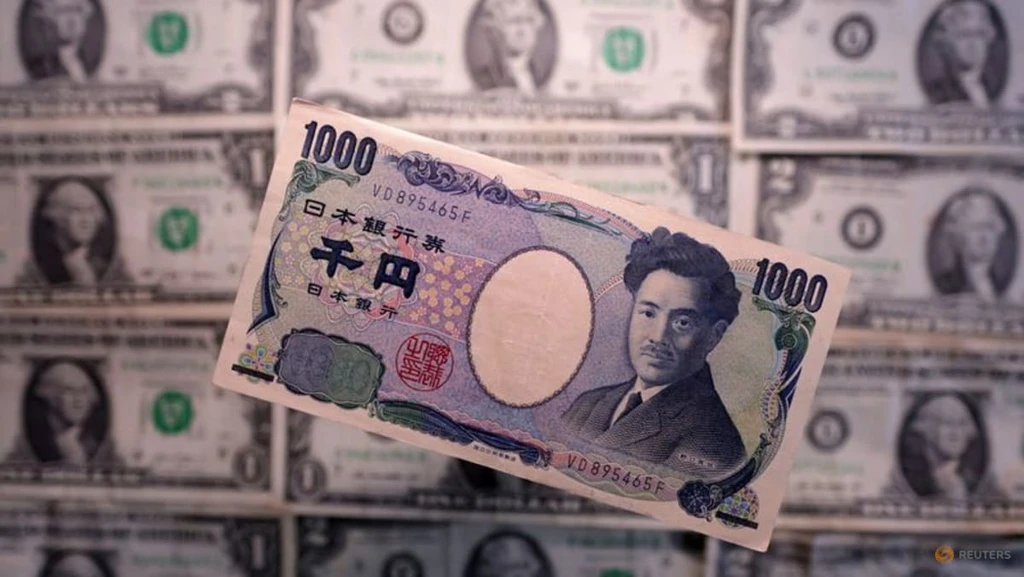
The Japanese yen is back in perilous territory, sliding to 159.65 against the dollar on Thursday-its weakest level since April 30th, when Tokyo last intervened. The move tests Japan's willingness and ability to defend its currency.
Japan spent roughly $63 billion in what was suspected to be two rounds of yen-buying intervention in late April and early May. While that represents a fraction of the nearly $1 trillion in foreign reserves held by Japan, traders remain skeptical that Tokyo will-or can-deploy the bulk of that war chest. As speculative bets against the yen rise again, the standoff between authorities and the market is intensifying.
"The more foreign reserves shrink, the more vulnerable Japan looks to speculators," warns Daisaku Ueno, chief foreign exchange strategist at Mitsubishi UFJ Morgan Stanley Securities.
Yen-buying intervention requires selling foreign assets, and Goldman Sachs economist Yuriko Tanaka estimates Japan retains enough firepower for "around 30 rounds" of intervention. But exhausting those reserves is unrealistic. It would hurt the value of U.S. Treasuries-and the cooperation of Washington is critical.
"U.S. understanding is crucial" to sustaining intervention's impact, says Takeshi Ueno, senior economist at NLI Research Institute. Pushback from the U.S. "could invite speculative yen selling."
Another constraint is the International Monetary Fund's rule against frequent currency intervention, which can cost a country its free-floating exchange rate status. But Japan's top currency diplomat, Atsushi Mimura, insists the IMF rules do not limit the government's actions. Some analysts agree.
"The thinking is that curbing excessive volatility takes priority," says Akira Moroga, chief market strategist at Aozora Bank. Even if Japan loses its free-floating classification, "I don't think they care at all."
The yen's weakness stems from soaring energy prices amid the Middle East crisis, which delivers a terms-of-trade shock to Japan. That is compounded by the Bank of Japan's cautious approach to raising rates and expectations of expanded fiscal stimulus under Prime Minister Sanae Takaichi.
Unlike previous administrations, which focused on the speed of currency moves, the current government appears intent on defending the 160 per dollar line. Market participants are now positioning for more intervention. A dealer at a domestic bank said buy orders for dollars cluster around the 155-157 range, and the expectation is the next intervention will come before 162.
"The government will want to defend that level at all costs," the dealer said.
The Ministry of Finance is scheduled to announce on Friday the total amount spent on intervention since April 28.