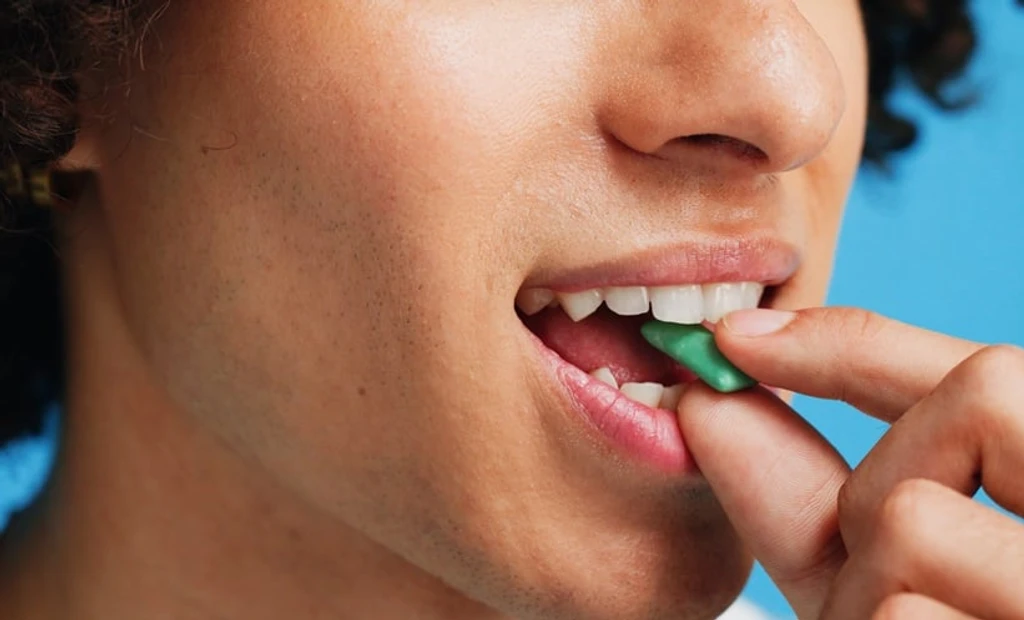
An experimental antibacterial chewing gum has demonstrated early success in reducing cancer-linked oral microbes, including HPV and specific harmful bacteria, while leaving beneficial mouth flora intact. Researchers are exploring its potential as a simple preventative tool for oral health.
Head and neck squamous cell carcinoma is associated with elevated levels of human papilloma virus, Porphyromonas gingivalis, and Fusobacterium nucleatum. These microbes have been linked to poorer patient outcomes, increased recurrence, and higher transmission risk. A study investigated whether an antibacterial chewing gum could selectively target these harmful organisms without disrupting the natural balance of oral bacteria.
In an ex vivo study using saliva and oral-rinse samples from patients with head and neck squamous cell carcinoma, researchers tested a bean-lectin FRIL gum and a bioengineered gum containing the antimicrobial peptide protegrin-1. The bean gum extracts reduced HPV levels by 93% in saliva and 80% in oral rinses. The protegrin-1 gum significantly lowered P. gingivalis and F. nucleatum, reducing them by over 99% in both sample types, bringing levels down to near zero.
Notably, protegrin-1 remained effective against anaerobic P. gingivalis and F. nucleatum but did not harm capsule-forming bacteria like Streptococci, indicating a selective preservation of beneficial flora. These findings suggest potential for antibacterial chewing gum as an adjunct to cancer treatment or as a prophylactic measure to decrease pathogen burden and transmission. Future clinical trials will assess its durability, safety, dosing, and impact on cancer outcomes.