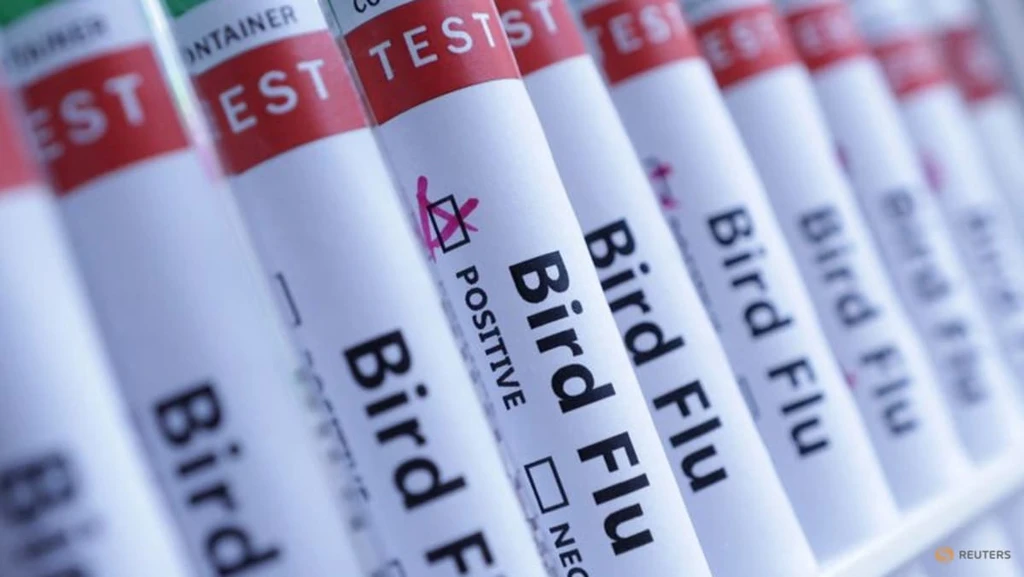
Australian authorities have confirmed the nation’s first case of the highly contagious H5 bird flu strain. Agriculture Minister Julie Collins announced Saturday that national science agencies detected the virus in a brown skua, a migratory seabird found in remote Western Australia. A giant petrel in the same region also tested positive.
This detection marks a significant biological milestone, as Australia was previously the only continent where the H5 strain had not been identified. Minister Collins stated there is currently no evidence of infection in poultry or mass mortalities among wild birds. However, an emergency meeting of animal health officials has convened to coordinate a national response strategy.
Prime Minister Anthony Albanese described the finding as concerning but anticipated due to global migration patterns. The government is now implementing containment measures to prevent spread within domestic flocks and sensitive ecosystems.
Conservationists warn the virus poses severe risks to Australia's unique biodiversity. Threatened Species Commissioner Fiona Fraser highlighted potential population-level impacts on endemic species, including Tasmanian devils, black swans, little penguins, and Australian sea lions. Authorities are accelerating captive breeding programs for 35 at-risk species as a safeguard against extinction.
The confirmed case occurred in a wilderness area 630 kilometers southeast of Perth. Investigators suspect the pathogen arrived via birds migrating from sub-Antarctic regions. This follows a devastating outbreak on Australia’s external Heard and McDonald Islands, where H5 recently killed over 13,000 elephant seal pups.