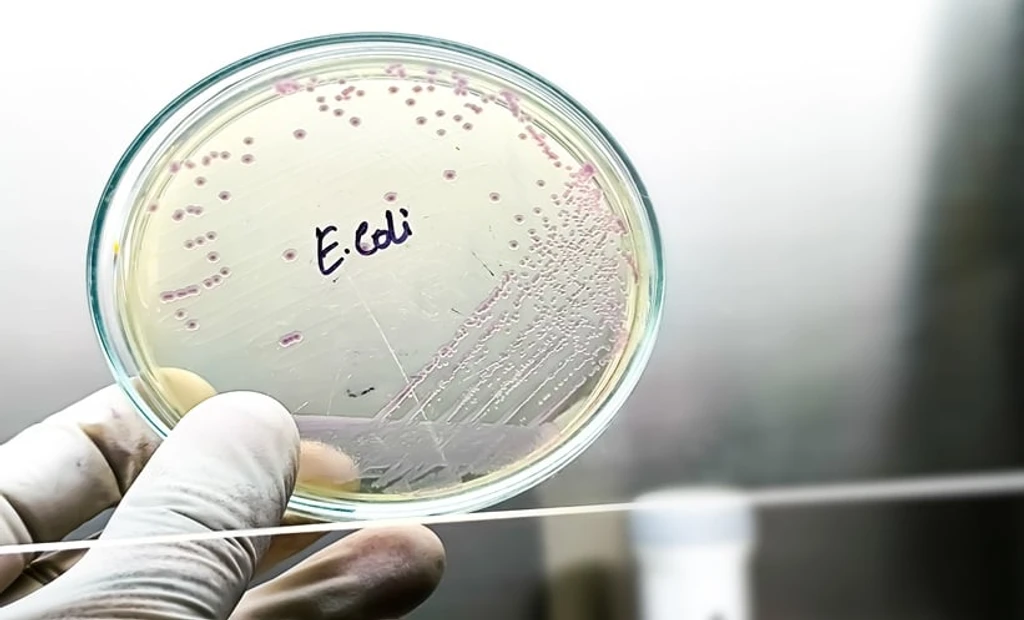
Two widely prescribed antidiabetic drugs, empagliflozin and metformin, may offer a new weapon against multidrug-resistant urinary E. coli, a major cause of urinary tract infections. The drugs significantly reduced biofilm formation and suppressed virulence-associated genes in laboratory tests.
Researchers tested the medications against clinical E. coli isolates. Minimum inhibitory concentrations ranged from 3.12 to 6.25 mg/mL for empagliflozin and 25 to 50 mg/mL for metformin. A synergistic effect was observed in two isolates when both drugs were combined.
Biofilm production dropped by 51.8 to 72.9 percent after treatment, demonstrating potent antibiofilm activity at subinhibitory concentrations. Additionally, both drugs downregulated expression of the fimH and luxS genes, which are linked to biofilm development and bacterial virulence.
This study marks the first reported investigation of empagliflozin's in vitro effects against urinary E. coli. While the findings suggest a role for these medications in drug repurposing strategies, researchers caution that further studies are needed to determine clinical applications.