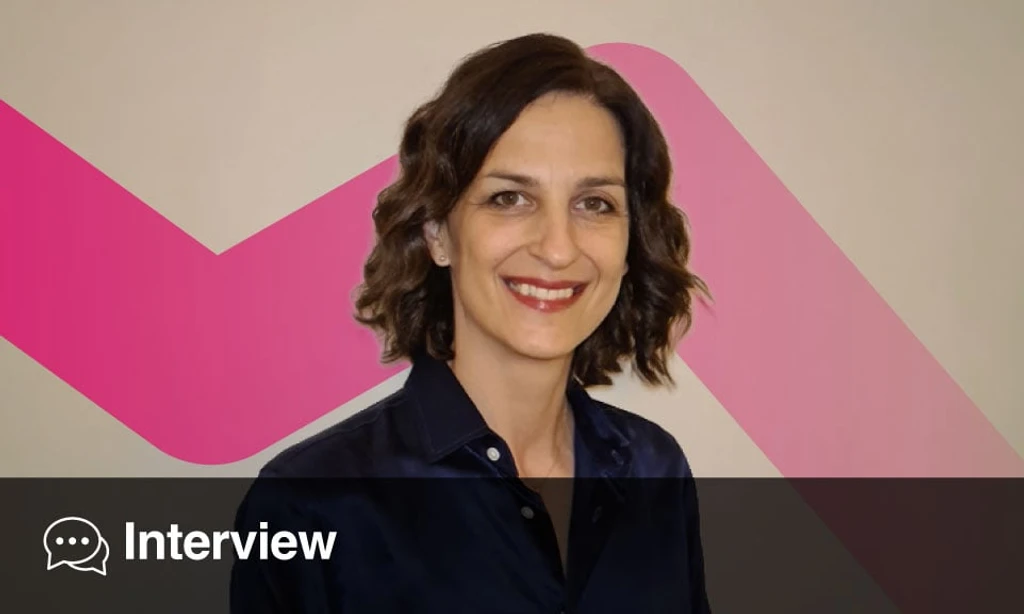
We spoke with Ana Boban, President of the European Association for Haemophilia and Allied Disorders (EAHAD) and Head of the Haemophilia Centre at the University Hospital Centre Zagreb, Croatia. She shares her vision for EAHAD’s 2026-2028 term, focusing on harmonizing care across Europe, advancing research, and supporting clinicians and patients.
Boban aims to harmonize care across European countries, a challenging task due to economic, cultural, and healthcare system differences. EAHAD has a global impact, attracting delegates from almost 80 countries. The association runs long-term projects, including working groups on treatment, accreditation, and rare bleeding disorders.
New treatments, such as non-factor and gene therapies, are transforming haemophilia management. EAHAD plays a crucial role in collecting safety data and educating clinicians. The organization is also raising awareness about rare bleeding disorders like von Willebrand disease (VWD) and Glanzmann thrombasthenia.
At the recent EAHAD Congress, sessions highlighted advances in VWD, gene therapy, and the management of rare bleeding disorders. The landscape of haemophilia in Europe has evolved, with new molecules improving prophylaxis and patient quality of life. Gene therapy is showing promising results, especially in haemophilia B.
Young clinicians and researchers are supported through travel and research grants, and opportunities to present their work at the EAHAD Congress. Boban envisions perfect prophylaxis and widespread gene therapy in the next decade, emphasizing the need for timely diagnosis and accessible treatment globally.