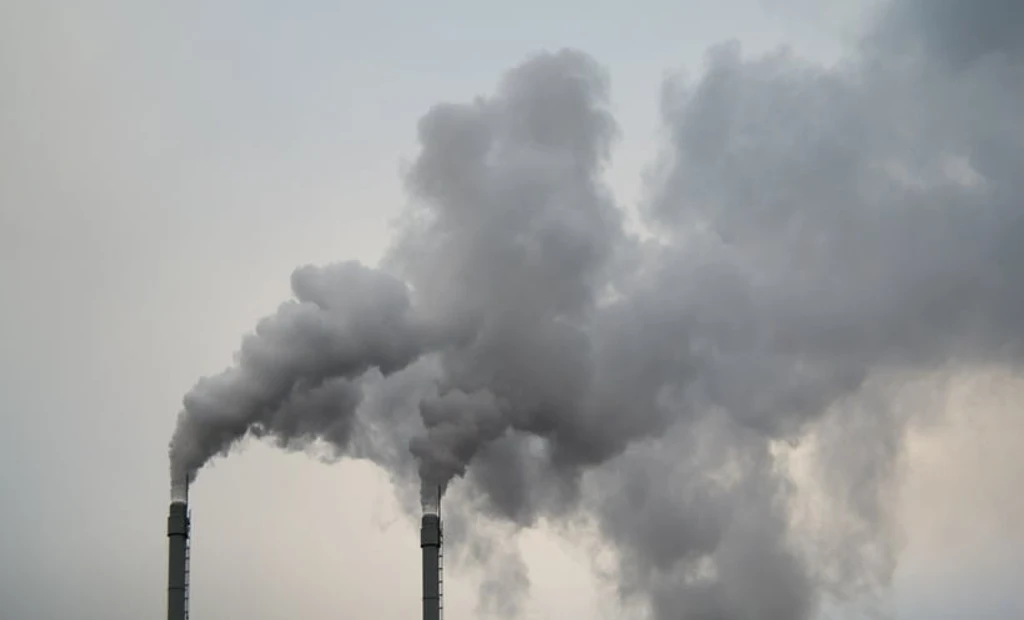
Long-term exposure to particulate matter (PM) may increase the risk of developing alopecia areata (AA), an autoimmune condition characterised by patchy hair loss. A nationwide epidemiological study linked PM exposure data with health records from 2006 to 2022.
Higher exposure to PM2.5 and PM10 was associated with a significantly increased risk of developing AA. Each 10 μg/m³ increase in PM2.5 was linked to a 45% higher risk, and PM10 exposure corresponded to a 32% rise. The greatest risk increase was noted in alopecia universalis cases, with over a double risk attributed to PM2.5 exposure.
Laboratory experiments showed that PM exposure increases oxidative stress and inflammatory responses in hair follicle cells, suggesting a mechanism through which air pollution may contribute to AA.
The findings underline the need for strategies aimed at reducing particulate matter exposure to potentially prevent autoimmune hair loss.