The Silent Apology
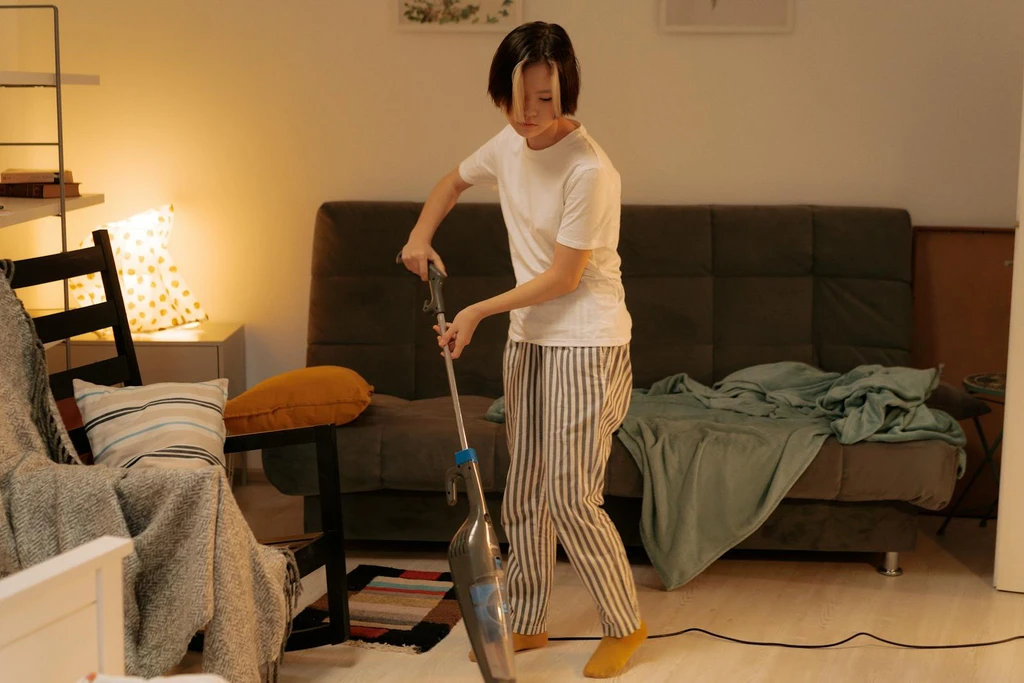
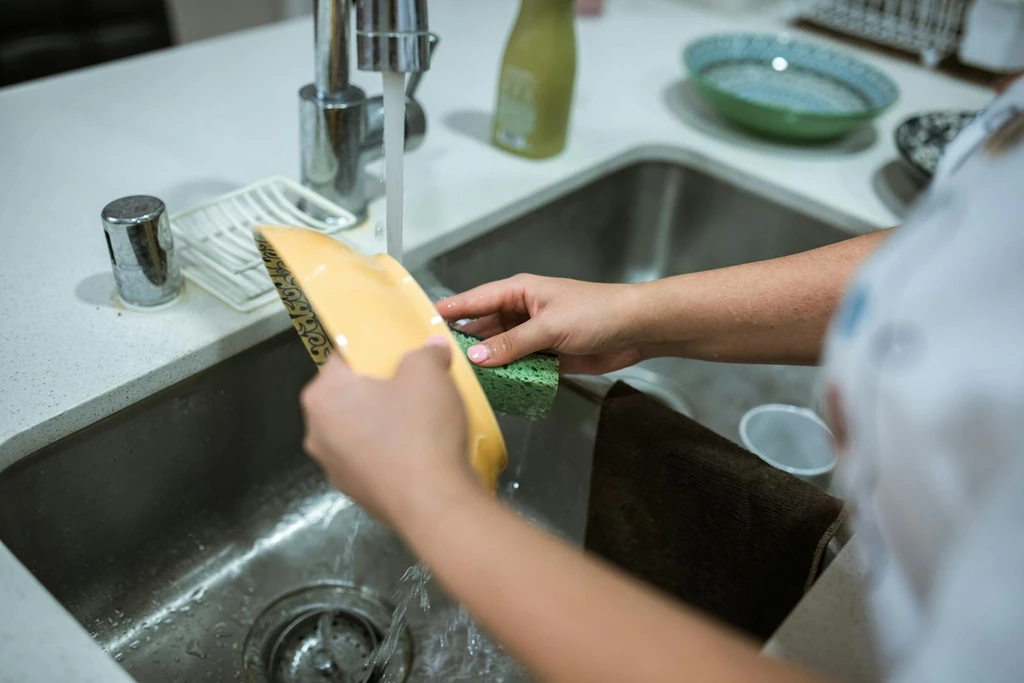
Many people prefer to apologize through actions rather than words, believing such gestures are more meaningful. They might bring you coffee after an argument or fix something around the house after a tense silence. However, what you really needed was a simple, direct apology.
Childhood Lessons
This behavior often stems from households where vulnerability was discouraged. Children learn to avoid direct emotional speech, converting feelings into actions. For example, a father who never said sorry but silently made breakfast after losing his temper taught that we address failures through deeds, not words.
Emotional Avoidance
Saying 'I’m sorry' requires vulnerability-holding still and acknowledging failure. In households that label vulnerability as weakness, the nervous system associates verbal vulnerability with danger, leading to physical reactions like increased heart rate and the urge to act instead of speak.
Actions vs. Words
While a kind act after a conflict signals regret and restores goodwill, it doesn’t create shared understanding. Verbal acknowledgment names the behavior, acknowledges its impact, and commits to change. Without this, conflicts can cycle back, leaving one party feeling unheard.
The Household Blueprint
Certain households consistently produce this behavior:
- Emotional Speech Was Dismissed: Children who expressed feelings were labeled as sensitive or disrespectful.
- Conflict Ended Through Silence: Issues were never resolved; they just faded over time.
- Love Shown Through Provision: Care was demonstrated by maintaining the household, not through verbal affirmations.
Relationship Mismatch
When an action-apologizer partners with someone needing verbal acknowledgment, frustration arises. The action-apologizer feels unrecognized, while the verbal-needs partner feels invisible.
Breaking the Cycle
Recognize the origin of this pattern without blaming. Start small with phrases like 'I’m sorry' or 'That was my fault.' Actions can complement words, but words are essential for genuine connection.
Beyond Apologies
People raised in emotionally indirect households often struggle with all forms of vulnerable speech. Breaking free means embracing the discomfort of speaking the unspeakable.

The Path Forward
The person who apologizes by mowing the lawn is not broken. They’re fluent in a language learned long ago. The invitation is to become bilingual: say the words, and the lawn can wait.