Scientists have identified 37 proteins in the blood of centenarians associated with slower aging. The study compared blood samples from younger adults, octogenarians, and individuals aged 100 and older.
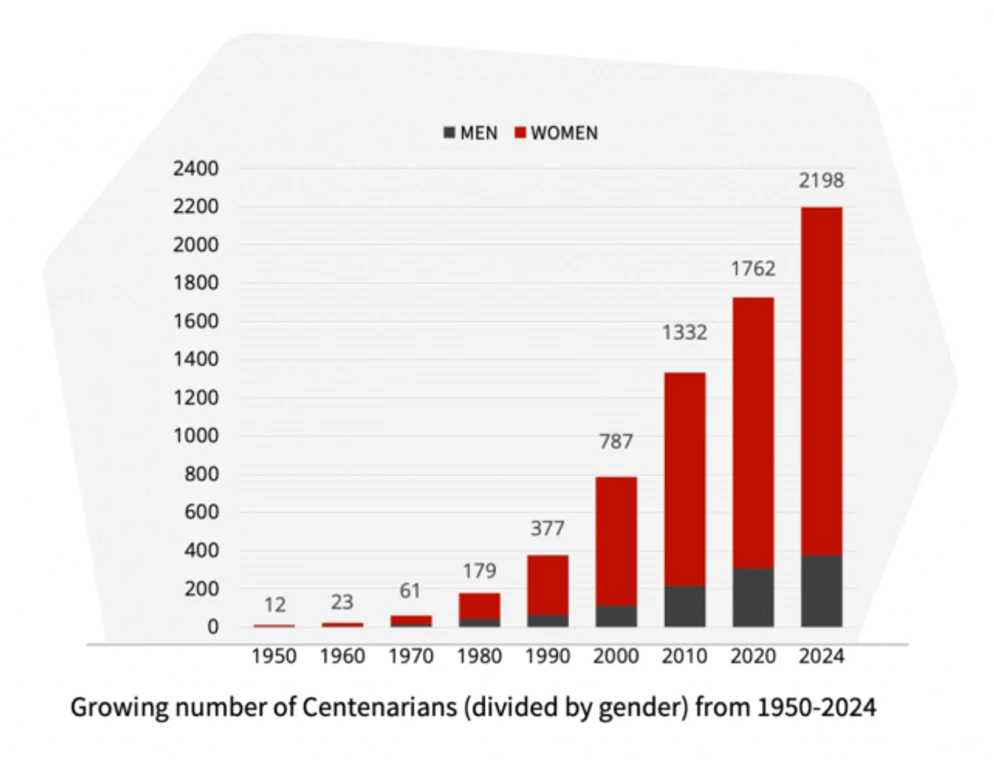
Researchers found that 37 proteins in centenarians' blood profiles were closer to those of younger individuals, indicating specific mechanisms of aging are significantly slowed. Many of these proteins are involved in modulating immunity and metabolism, including those crucial for recycling red blood cells and clearing dysfunctional proteins linked to neurodegenerative diseases.
The study also highlighted proteins that trigger apoptosis, a process that suppresses tumor formation, and others associated with favorable fat metabolism and insulin release. Additionally, proteins maintaining the extracellular matrix, the body's structural 'cement,' were found to be enriched in centenarians.
Surprisingly, centenarians showed lower levels of oxidative stress and produced fewer antioxidant proteins, suggesting a less reactive immune response. The research also noted preserved protein function in degrading GLP-1, contributing to good glucose balance. These findings support the 'inflammaging' theory, which links aging to immune system dysregulation and chronic inflammation. Scientists emphasize that lifestyle factors like nutrition, physical activity, and social connections play a significant role in healthy aging.