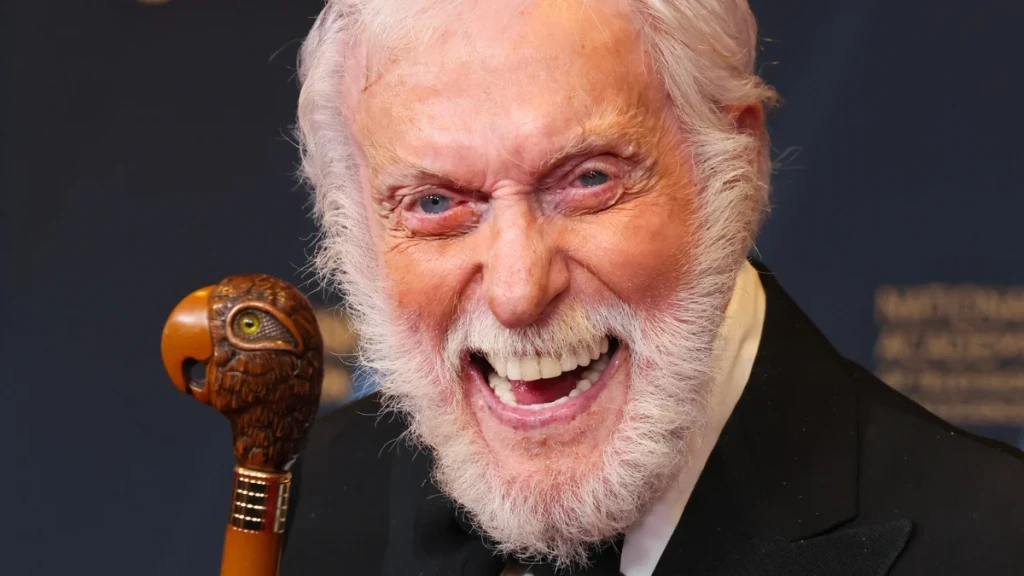
Actor Dick Van Dyke has reached the century mark, crediting his longevity to a simple rule: he never wakes up in a bad mood. This optimistic outlook is now supported by emerging scientific research.
A long-term study on nuns found that those expressing more positive emotion in their youth lived an average of ten years longer. A separate 2019 UK study linked optimism to a lifespan up to 15 percent longer and greater odds of achieving "exceptional longevity," defined as living to 85 or beyond.
Scientists believe the benefits of optimism stem from its association with a sense of purpose and strong social relationships. The world's longest-running study on happiness, spanning nearly 90 years, found that satisfaction with friends and family in middle age was the best predictor of health at 80.
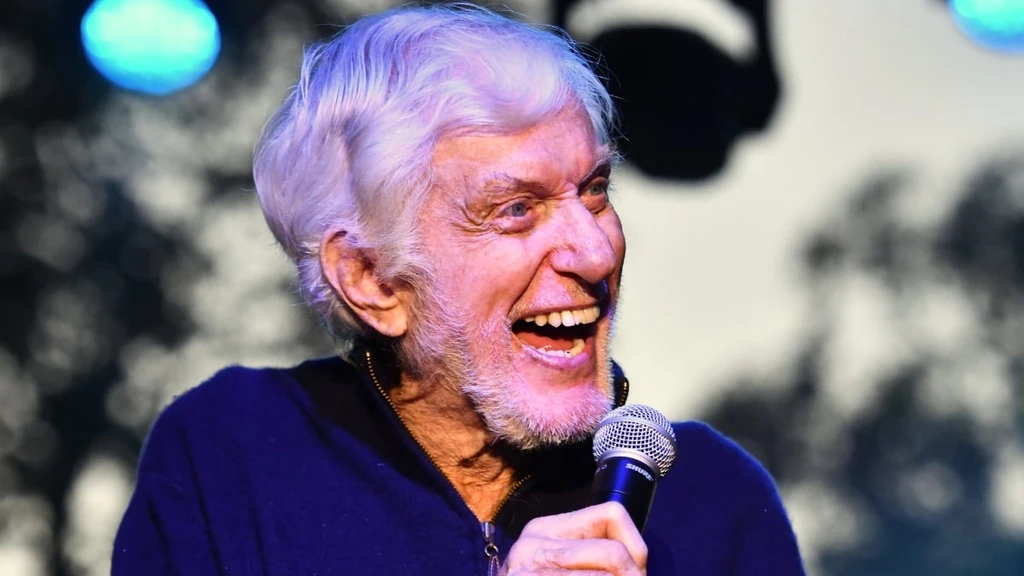
Genetics play a role, but experts estimate reaching 90 is 70 percent due to health behaviors and mindset. A strong sense of purpose in later life is linked to better physical and mental health. Fellow centenarian David Attenborough shares this approach, remaining socially and physically active with a continued passion for his work.
As Van Dyke wrote, "Old age is part fact, part state of mind, part luck."