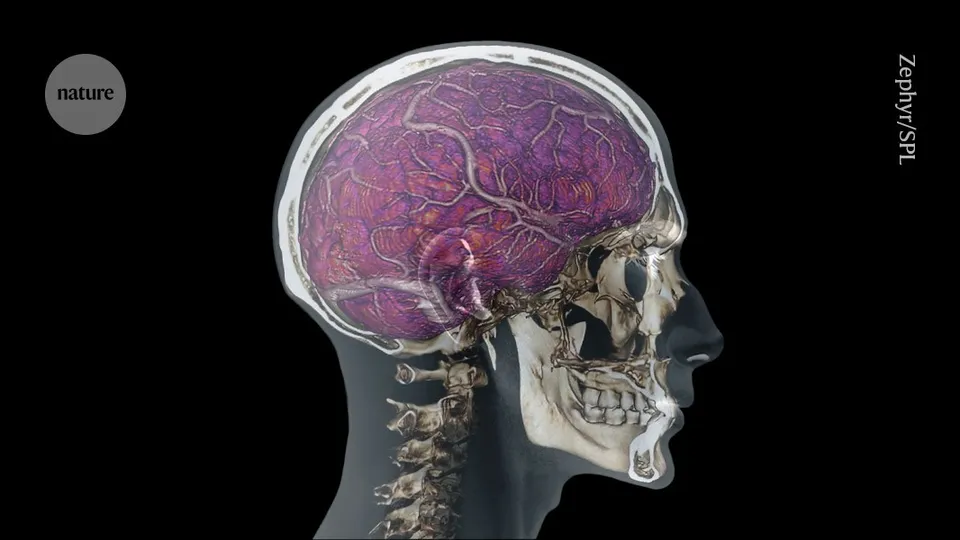
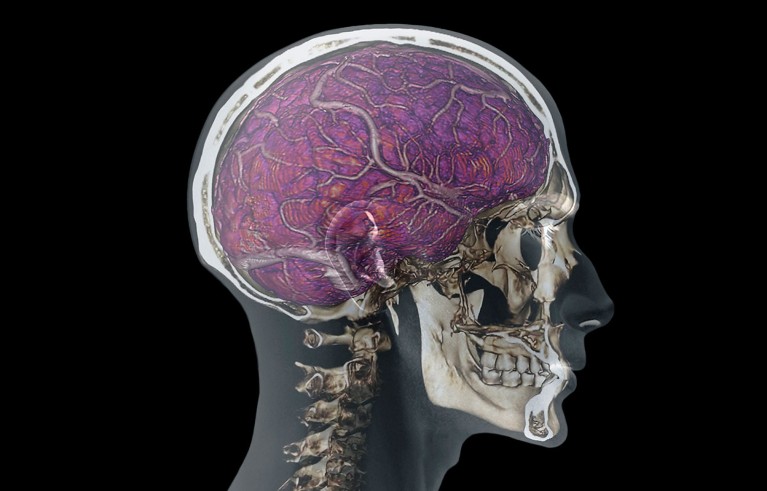
The brain is safeguarded by a sophisticated network of large veins, known as venous sinuses, embedded within the skull's protective membrane. Contrary to previous assumptions of passive function, these "skull drains" actively pump blood and cerebrospinal fluid, and continuously adjust to allow immune cells to patrol.
Researchers utilized intravital imaging in mice, creating ultra-thin skull windows to observe these veins pulsing. The study found these vessels feature small openings, or fenestrations, allowing passage of fluid and even microorganisms. The venous sinus walls can also rearrange, a phenomenon termed "ruffling," to permit immune cell movement. This dynamic behavior is crucial for maintaining the central nervous system's integrity by actively responding to potential threats like inflammation or pressure buildup.