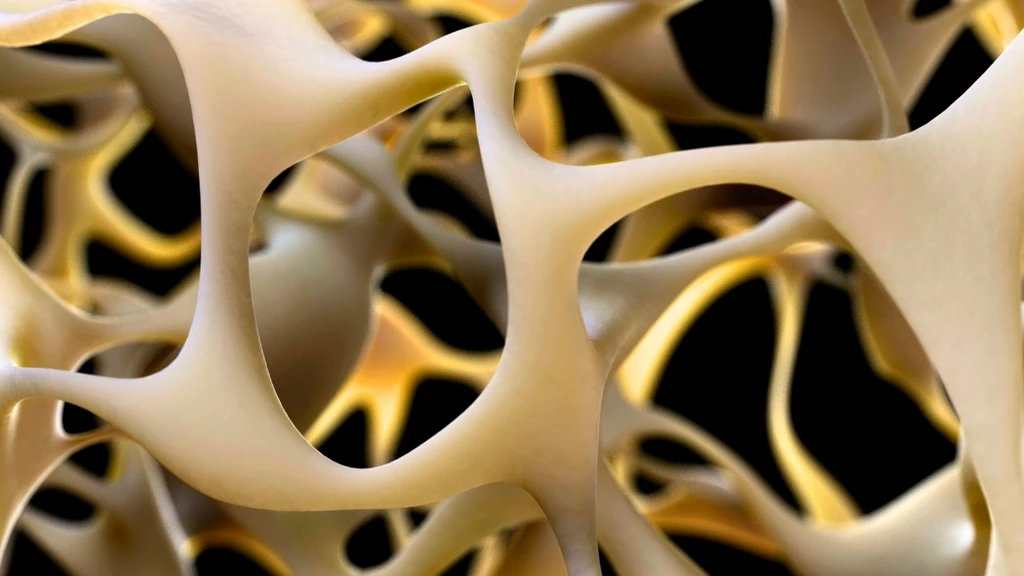
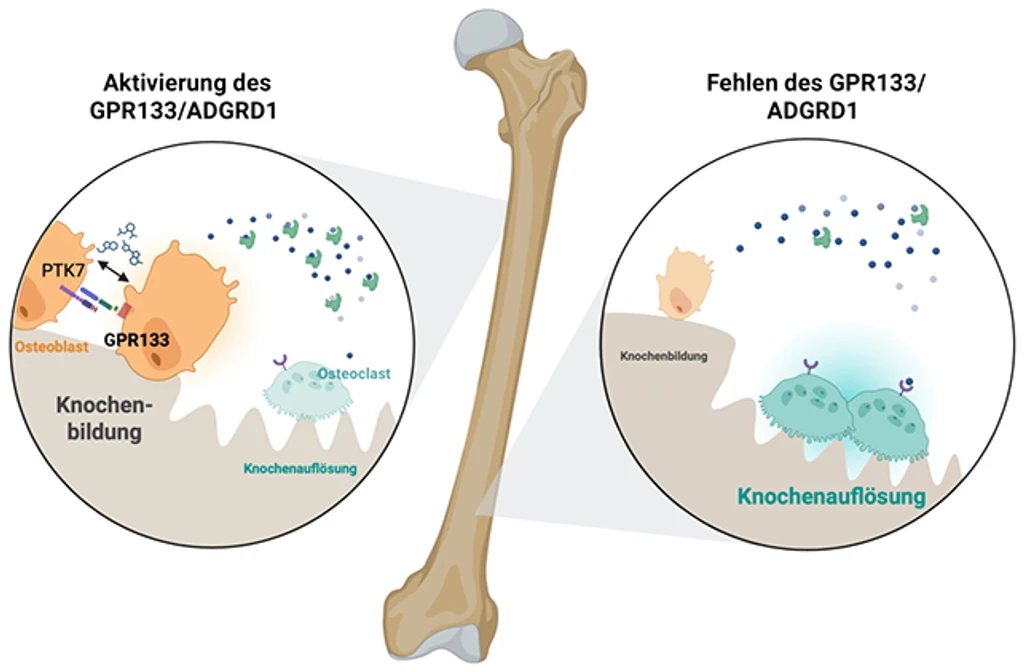
Research has pinpointed a critical cell receptor, GPR133 (ADGRD1), vital for bone density and function. Studies involving mice demonstrated that activating this receptor significantly enhances bone production and strength.
Scientists found that a substance called AP503, a stimulator of GPR133, could dramatically improve bone strength in both healthy and osteoporotic mice. This compound acts to increase the activity of osteoblasts, the cells responsible for building bone. The research also suggests AP503 could work synergistically with exercise to further enhance bone health.

Osteoporosis, a condition causing millions worldwide to suffer from weakened bones, currently has no cure, with treatments only slowing its progression and often carrying significant side effects. This new understanding of GPR133 offers a potential pathway to not just slow bone degradation but to actively reverse it.
Further research into natural bone repair mechanisms includes the development of a blood-based regenerative material designed to enhance healing for bone damage. Additionally, a newly identified hormone, maternal brain hormone (MBH), has shown potential in boosting bone density, mass, and strength in animal studies. While these findings are primarily from animal models, they present a highly promising outlook for future human therapies aimed at strengthening bones and combating age-related bone loss.