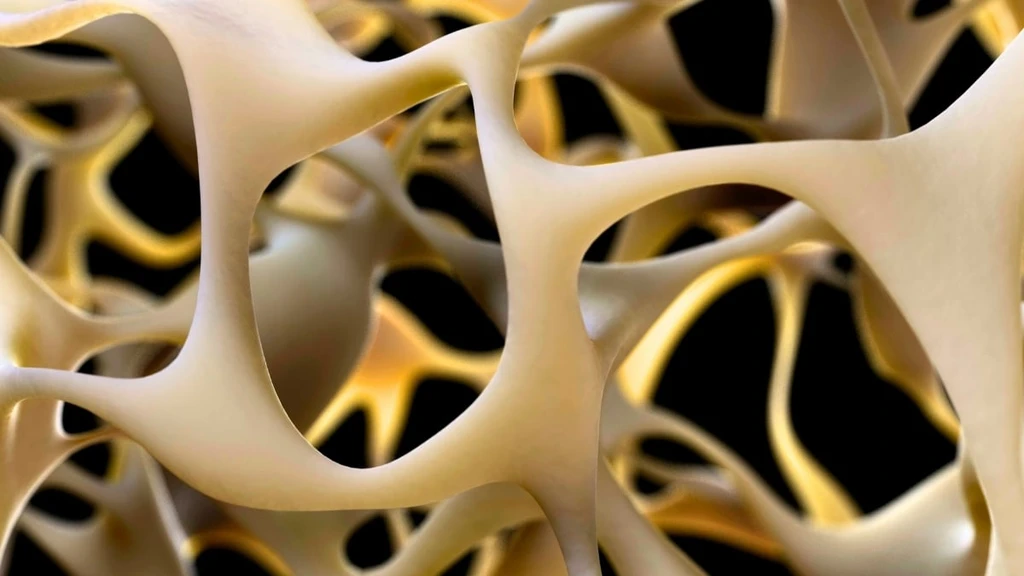
A joint study from the University of Leipzig and Shandong University has identified a critical mechanism for reversing bone loss. The research targets the cell receptor GPR133, a protein crucial to the function of bone-building osteoblasts.
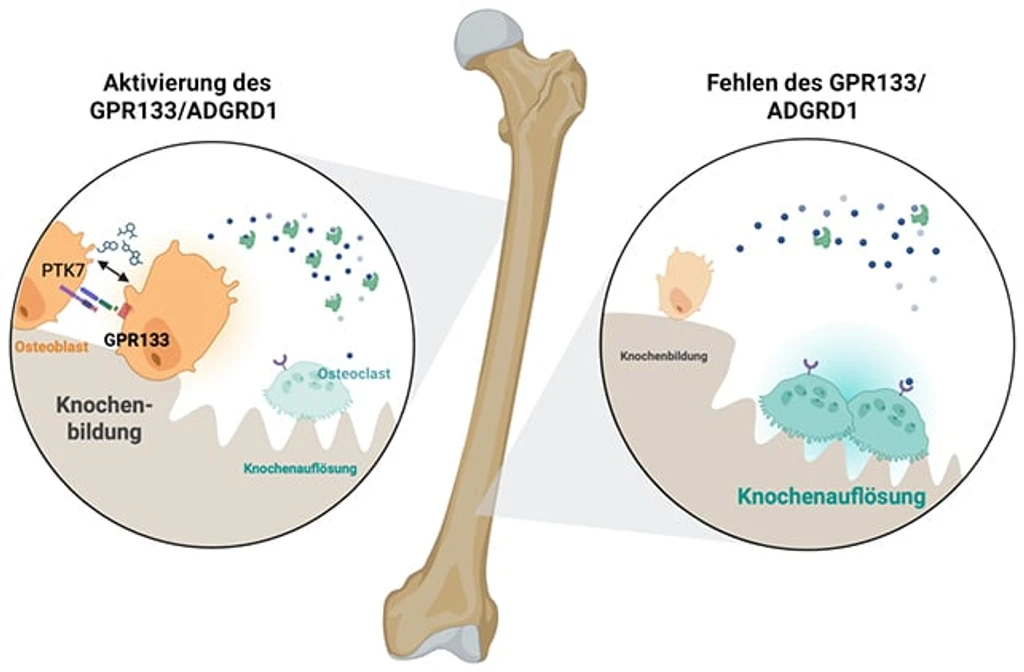
By activating this receptor with a chemical compound called AP503, scientists significantly increased bone strength in both healthy and osteoporotic mouse models. The treatment works like a biological switch, forcing osteoblasts to work harder. Researchers noted the effects were further enhanced when combined with physical exercise.
This discovery addresses a critical treatment gap for a condition affecting millions globally. Current treatments can only slow the progression of the disease and often carry significant side effects, without offering a cure. Parallel research into the hormone MBH at the University of California, San Francisco, also confirmed the capacity to build unusually strong bones in animal models, highlighting a broader shift toward harnessing the body's natural repair processes to restore degraded skeletal strength.