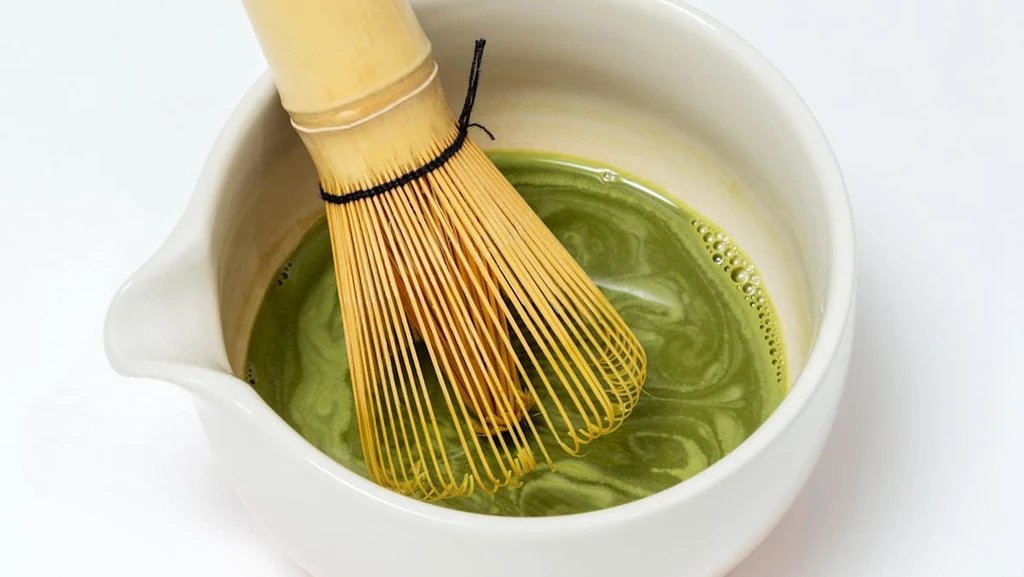
Matcha sales in the U.S. have surged 77% over three years, fueled by claims it offers “calm alertness” without coffee’s jitters or crash.
Unlike steeped green tea, matcha is made from shade-grown leaves ground into powder and whisked into water-delivering higher concentrations of caffeine, antioxidants, and amino acids.
Caffeine levels vary: an 8-oz cup of coffee has ~100mg, green tea ~30mg, while a teaspoon of matcha (38-88mg caffeine) falls in between. That moderate dose may explain why some feel energized but not anxious.
However, neuroscientist Allison Brager and other experts say there’s no solid evidence that matcha’s caffeine is absorbed more slowly than coffee’s.
What might make a difference are other compounds. Matcha contains L-theanine, an amino acid linked to reduced stress and sharper focus when paired with caffeine. It also has EGCG, a calming antioxidant. But most supporting studies used higher doses than found in typical servings-and rarely tested matcha itself.
Clinical trials on matcha show mixed results. A 2018 study noted slightly lower anxiety in students who drank matcha, but a 2017 trial found no mood differences versus placebo.
Dietitians caution that popular matcha lattes often pack added sugar-like Dunkin’s 25g per large serving, equal to a woman’s daily limit. That sugar spike can erase any subtle benefits.
For the cleanest experience: skip syrups and brew unsweetened matcha at home.
“The healthiest matcha drinks are the simplest,” says cardiovascular dietitian Lena Beal.