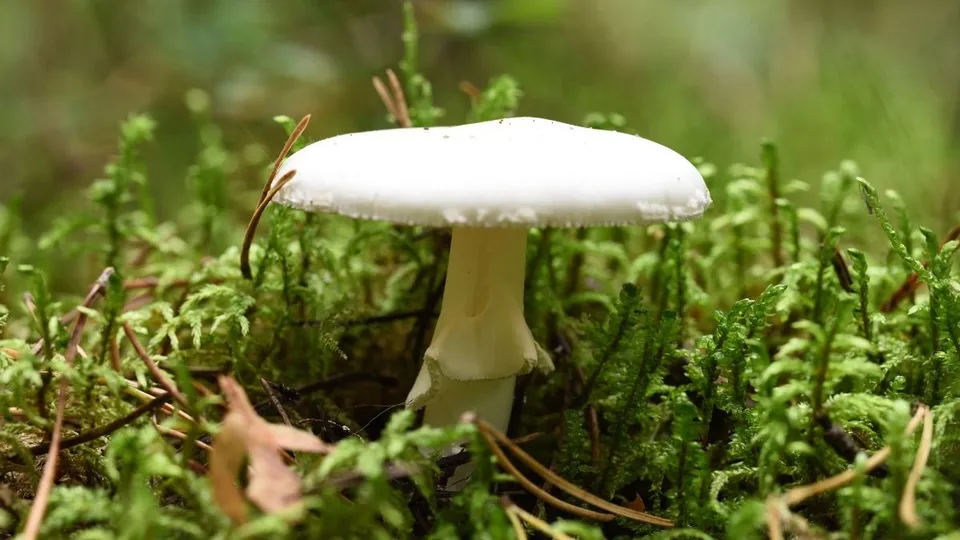
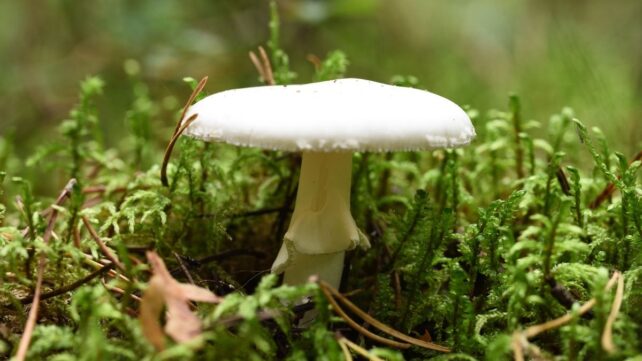
 The deadly death cap mushroom, responsible for 90 percent of fatal mushroom poisonings, is rapidly evolving in California.

A new study reveals that invasive populations of Amanita phalloides in California are producing different chemicals than their European counterparts. Researchers at the University of Wisconsin-Madison found that these mushrooms can create toxic secondary metabolites without a leader sequence, a process previously thought impossible.
These newly identified, leaderless peptides are being expressed at significantly higher levels than other compounds. Scientists suspect these novel toxins may play a crucial role in the mushroom's invasive biology and its impact on native ecosystems.