
Kidney transplant recipients (KTRs) face an elevated risk of HPV-related cancers due to long-term immunosuppression therapy, with cervical cancer incidence rates significantly higher than the general population.
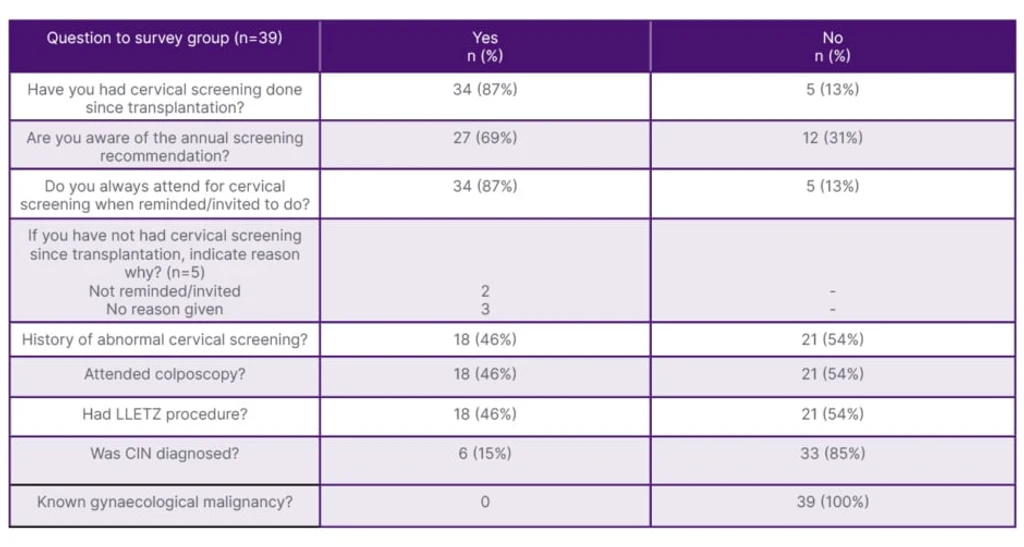
A new single-center study from Ireland assessed current adherence to prevention strategies. For cervical screening, 87% of surveyed female KTRs under 65 had attended a screening appointment since transplantation, and all cited prompt attendance following national program reminders. However, nearly half of the participants had required a colposcopy following an abnormal test result.
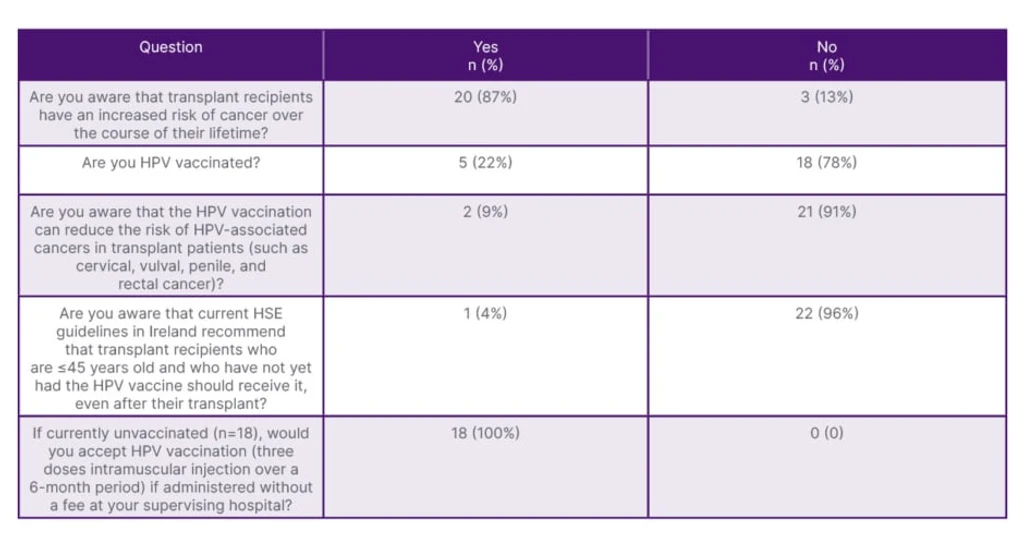
Conversely, HPV vaccination rates remain critically low. Only 22% of eligible recipients had received the vaccine. While 87% of the cohort acknowledged their elevated lifetime cancer risk, only 9% were aware that the HPV vaccine could mitigate this specific danger. Critically, all unvaccinated patients stated they would accept the immunization if provided directly by their hospital’s renal department.
Researchers advocate integrating the HPV vaccine into established hospital workflows, mirroring the long-standing, cost-effective delivery model used for Hepatitis B vaccinations in renal units, as a vital quality improvement initiative to close this preventable gap in care.