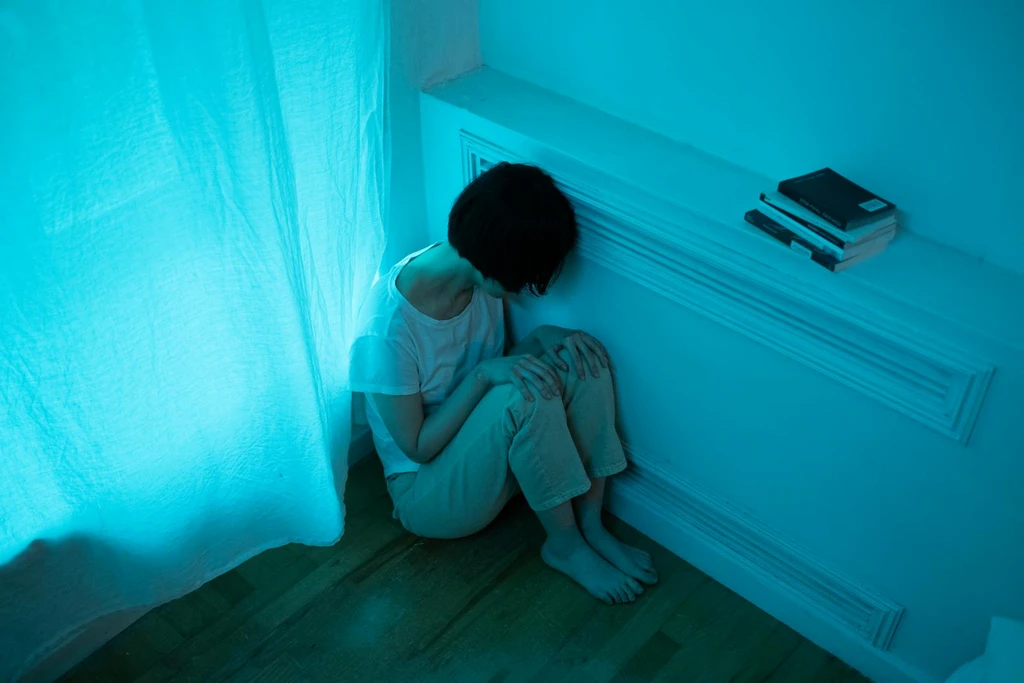
You've encountered them: the person who remains unruffled during a crisis. We often mistake their calm for innate temperament, but psychology reveals a different truth. The calmest individual in the room is frequently forged by necessity, having navigated significant disorder.
This phenomenon is linked to post-traumatic growth, a positive psychological transformation emerging from struggle. Researchers identify five domains: enhanced appreciation for life, warmer relationships, new possibilities, personal strength, and spiritual development. Those exhibiting this growth often appear remarkably steady, their composure a testament to survival.
Chronic stress recalibrates the autonomic nervous system. Survivors of prolonged chaos develop a more flexible vagal tone, enabling fluid movement between activation and rest. This isn't numbness, but an internal architecture capable of bearing greater weight. True post-adversity composure is warm, present, and often marked by dry humor.
We frequently misread this emotional regulation as absence, labeling composed individuals as cold or detached. This reflects our societal tendency to equate visible distress with caring. In reality, those who remain grounded have built a wider container for feeling.
Adversity teaches crucial skills: triage thinking to discern urgent from merely loud; emotional pattern recognition for subtle shifts in mood; and tolerance for ambiguity, allowing one to sit with uncertainty without manufacturing false conclusions.
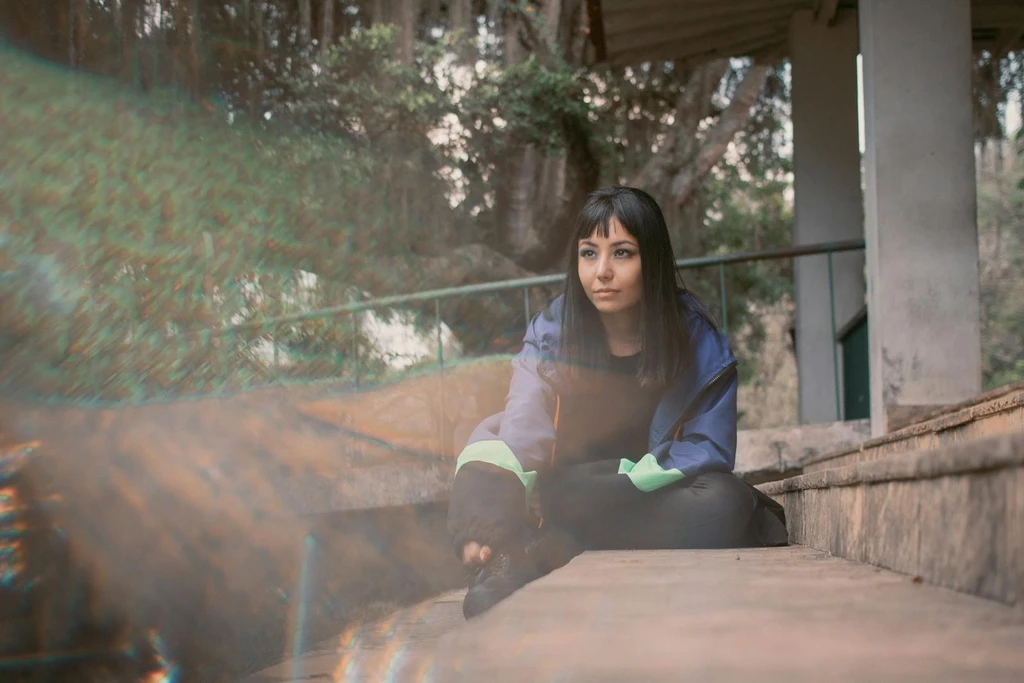
However, this composure carries a cost. The "calm" individual often bears significant emotional labor, receiving less social support despite equivalent distress levels. We must rethink how we assess capability, recognizing that battle-tested resilience is a critical leadership trait.
The quiet ones are watching. Their steadiness, patience, and recognition stem from having navigated profound challenges and emerging with a permanently rearranged sense of proportion. They know the way through.