
Dementia is often seen as a disease of old age, but new research suggests its roots may extend far earlier-even into childhood.
A study led by the Global Brain Health Institute (GBHI) in Ireland, involving experts from 15 countries, highlights that intervention in young adulthood could significantly reduce dementia risk later in life.

Key risk factors identified include lifestyle choices like excessive drinking, smoking, physical inactivity, and social isolation. Environmental factors such as pollution exposure, traumatic brain injuries, hearing or vision loss, and low education levels also play a role. Health issues like obesity, diabetes, hypertension, and depression are also linked.
Researchers point to long-term studies showing that cognitive ability at age 70 is often linked to cognitive ability at age 11, suggesting differences may exist since childhood. Brain scans also reveal changes tied to early-life risk factor exposures.
"Perhaps the time has come for dementia prevention to be thought of as a lifelong goal, rather than simply a focus for old age," the team said.
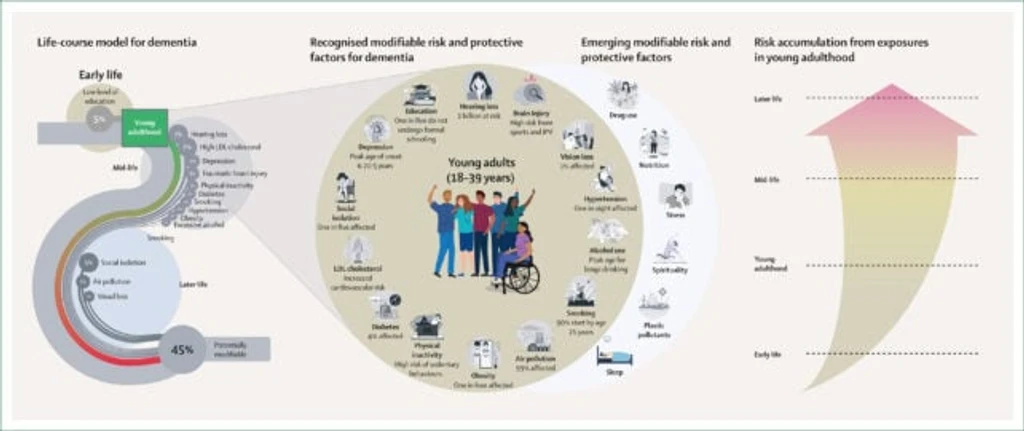
Mitigation strategies include public health campaigns, education, and taxation of harmful substances. Emerging factors like ultra-processed foods, drug use, screen time, stress, and microplastics require further study.
The research was published in The Lancet: Healthy Longevity.