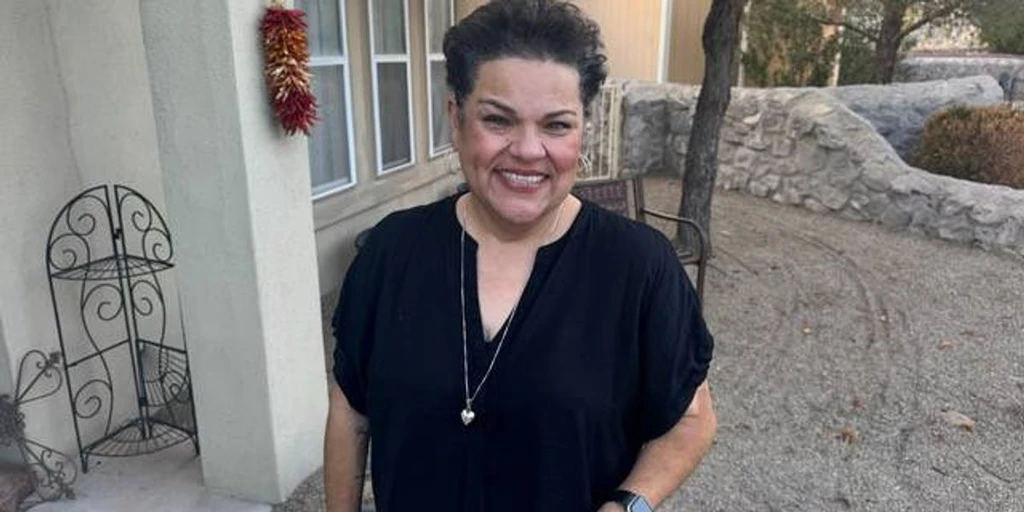
It was a winter night when Cazandra slipped on ice while taking out the trash. Though she got up quickly, what followed wasn't just a bruised arm-it was the beginning of six years of relentless chronic pain.
The pain settled in her neck, worsened over time, and resisted treatment. Her primary care doctor suspected strain from caring for her youngest son, who has hemophilia and required constant physical support. But the explanation didn’t match the severity.
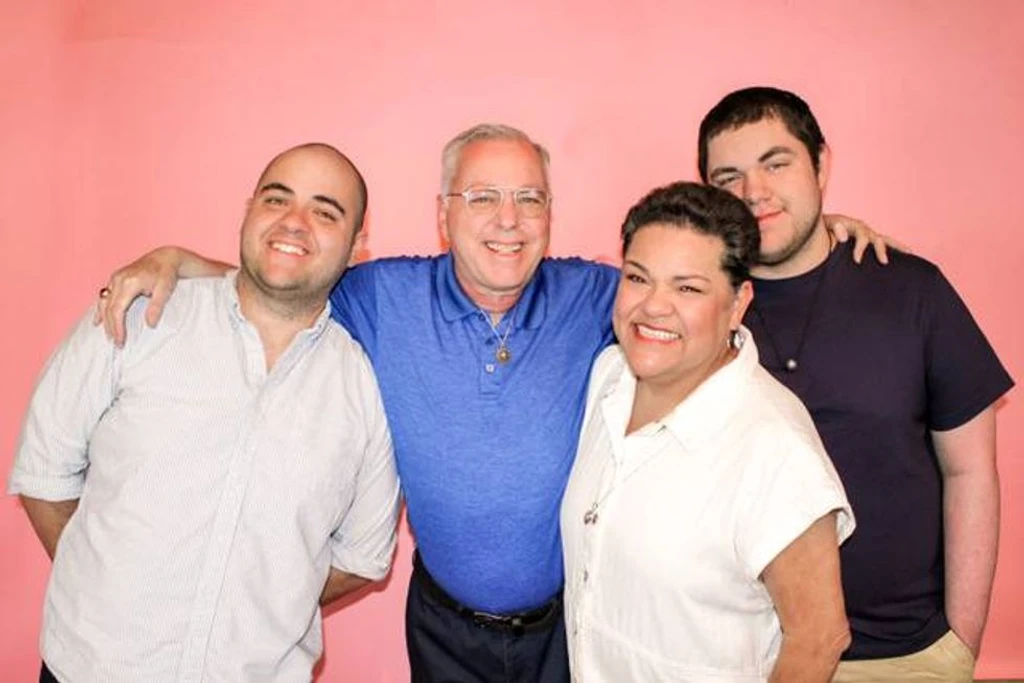
She saw an interventional pain specialist who prescribed high-dose narcotic medication and steroid injections. For years, she took pills on a strict five-times-daily schedule just to function-drive, work part-time as a pastor’s wife, and care for her family.
After six years, her doctor said: "I don’t think there’s anything more I can do for you."
She felt abandoned-but refused to give up. A new pain management specialist offered hope: "I think I can help you."
That moment changed everything.
The new physician was stunned by the strength of her long-term narcotics, typically reserved for acute hospital use. With no weaning plan provided before, she had already tapered off alone.
Working with this specialist and a neurosurgeon, she underwent multiple procedures: neck fusions, spinal decompression, epidurals, ablations, and ongoing steroid injections.
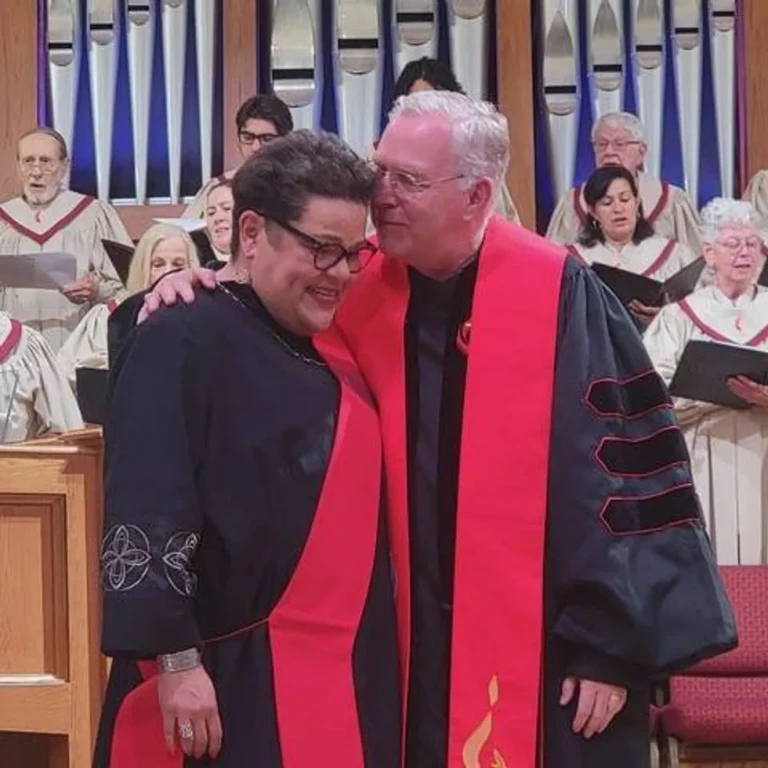
Recovery was grueling. Spinal decompression led to chronic neuropathy. But the outcome? A life restored.
Today, her pain is a manageable 4 out of 10-even on bad days. She rides horses, works full-time, and breathes deeply without constant agony.
Now a hospice chaplain, she meets people in their suffering with profound empathy. Her own journey fuels her mission.
"I was in crippling pain. Now I see life in vivid colors," she says. She urges others not to accept dismissal from doctors. "Find someone who will fight for you."
Her message: Don’t stop looking. Hope exists.