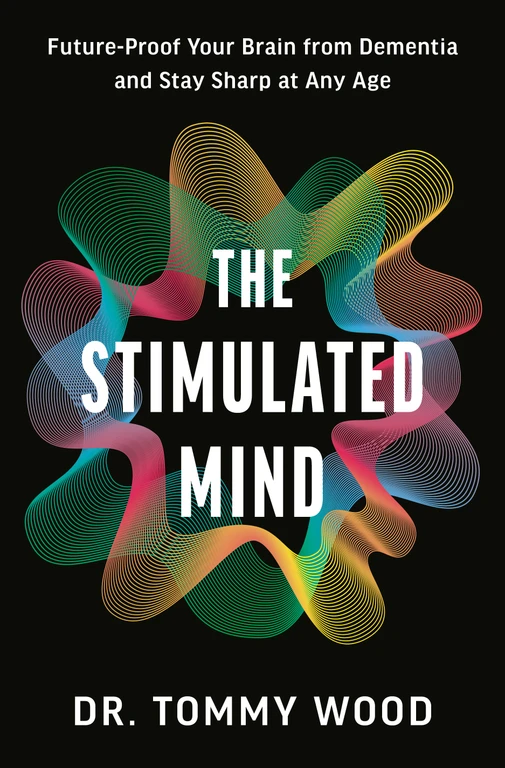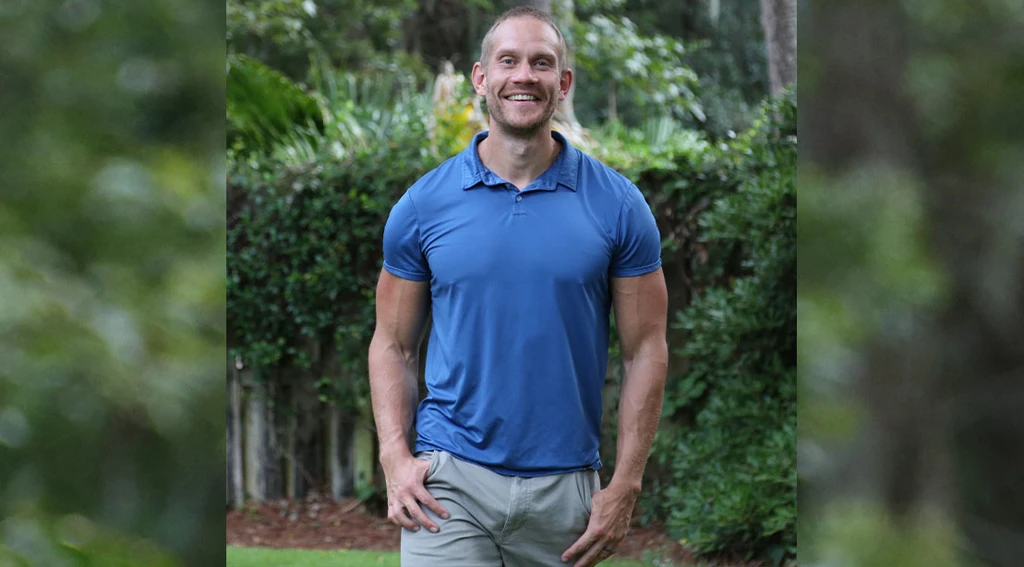
Many accept mental slowdown after 40 as inevitable. Dr. Tommy Wood, neuroscientist and author of The Stimulated Mind, calls it a myth rooted in outdated cultural conditioning-not biology.
“Cognitive decline isn’t inevitable if you continue to challenge your brain and body,” Wood says. His work across dementia prevention, elite sports, and clinical medicine shows that stimulus-not age-drives brain health.

Wood identifies resistance training as uniquely powerful for brain longevity. While aerobic exercise supports memory via the hippocampus, and open-skill activities like dance or martial arts boost global cognition, lifting weights specifically enhances white matter-the neural network governing decision-making, impulse control, and executive function.
“Two times a week, three sets of eight to twelve reps across five to six full-body exercises significantly improves white matter structure and cognitive performance,” he notes.
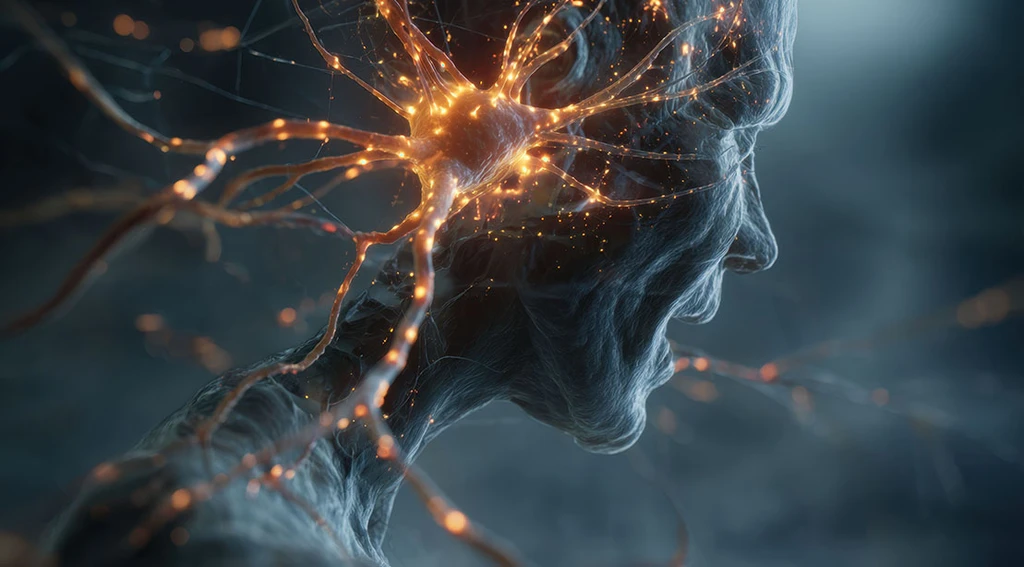
Mental growth, like muscle growth, requires error. “Neuroplasticity is driven by mistakes in complex tasks-learning a language, instrument, or sport,” Wood explains. He recommends 30-60 minutes of such challenges two to three times weekly, progressively increasing difficulty.
Stress isn’t the enemy-avoidance is. Framing stress as beneficial triggers adaptive hormones like DHEA, improving resilience and decision-making under pressure.
Equally critical is recovery. Chronic distraction mimics overtraining. Wood prescribes deep-focus work blocks, screen-free breaks, and true rest: “Watch a sitcom rerun-just one thing-to let your brain recover.”

His “Stimulated Week” blends strength (for white matter), Zone 2 cardio (for memory), open-skill movement (for adaptability), and deliberate rest. The goal: stay sharp, independent, and capable decades into the future-not by fighting time, but by training intelligently.