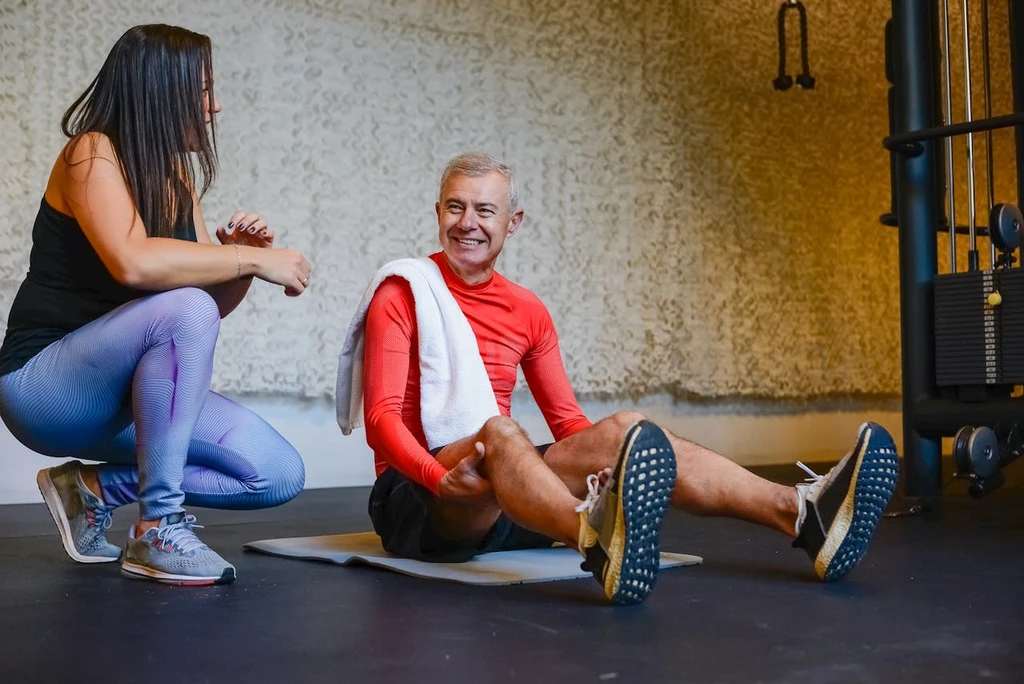
Staying active is crucial for older adults to maintain health, mobility, and independence. As we age, muscle mass, flexibility, and balance naturally decline, increasing fall risks. However, well-designed fitness programs can keep seniors strong, mobile, and confident.
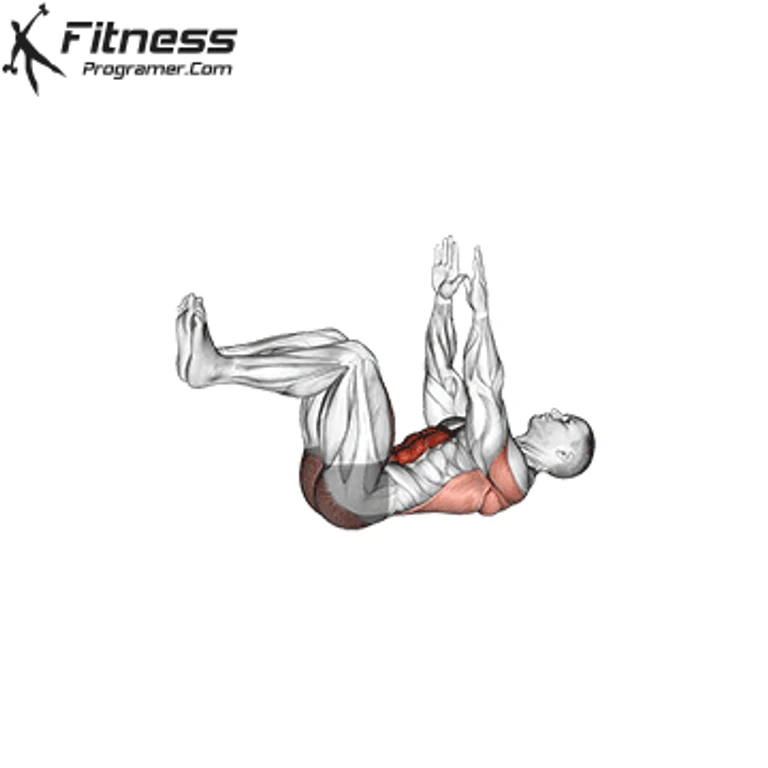
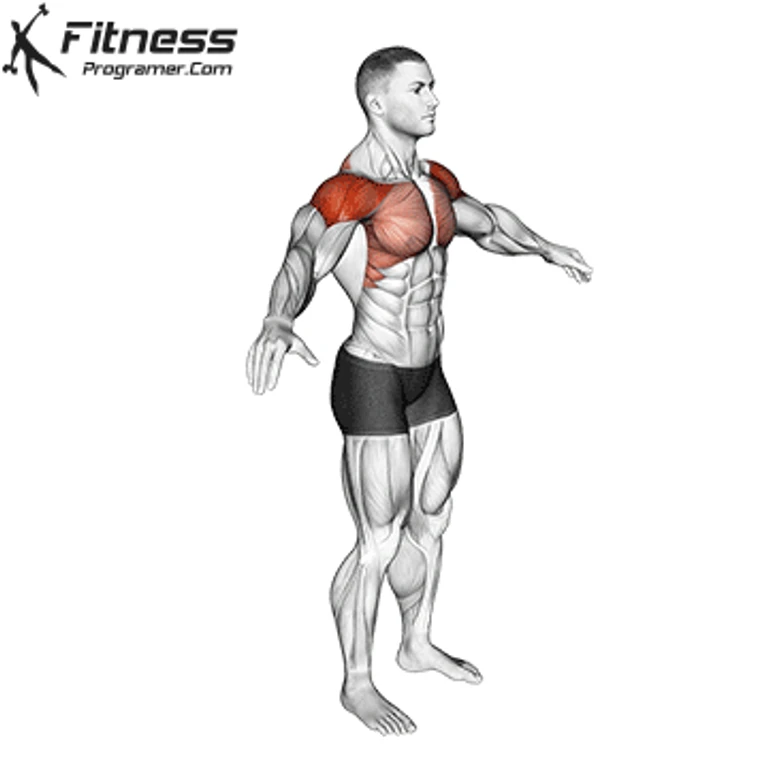
Regular physical activity supports physical and mental health, helping to preserve muscle strength, improve balance, and boost mood. Key goals for many older adults include maintaining independence and the ability to live comfortably at home. Exercise routines for seniors often focus on mobility, body support, and protecting major muscle groups. Activities like walking, swimming, and water aerobics can improve heart health, manage weight, and reduce disease risks.
Fall prevention is a significant benefit, with many programs incorporating balance and flexibility exercises. These strengthen muscles, enhance coordination, and build confidence. Social engagement through fitness classes or walking clubs also combats isolation and promotes mental well-being.
Health guidelines recommend at least 150 minutes of moderate exercise weekly, such as brisk walking or swimming. Muscle-strengthening activities are advised at least twice a week. The key is consistent, safe movement tailored to individual capabilities, starting gently to allow gradual adaptation.
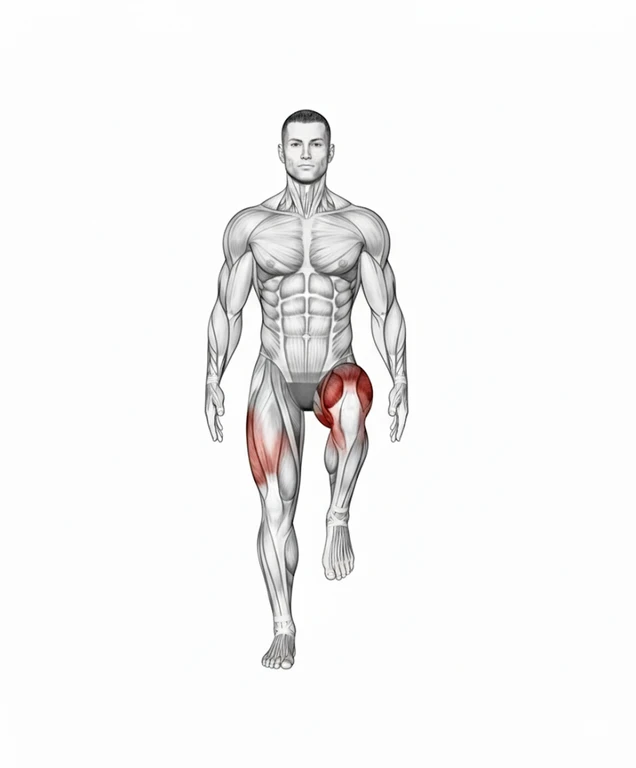
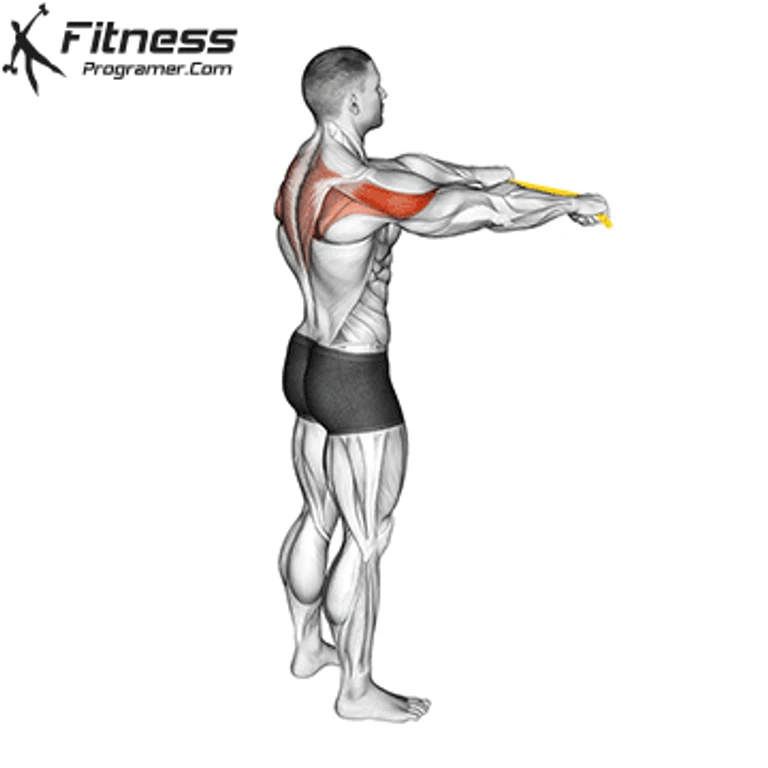
Balance exercises, like single-leg stands and stepping movements, are vital for preventing falls by improving stability and coordination. Strength training with resistance bands or light weights helps maintain muscle mass, crucial for everyday tasks. Even seated exercises can improve circulation and strength for those with limited mobility.
Aerobic activities, including walking and water aerobics, are essential for cardiovascular health. Flexibility and balance are enhanced through activities like yoga, pilates, and tai chi, which also promote relaxation and mental focus.
Creating a safe routine involves consulting healthcare professionals, warming up, and focusing on controlled movements. Consistency, rather than intensity, yields significant long-term benefits, supporting independence, confidence, and an improved quality of life.