Healthy aging hinges on maintaining independence and mobility. For many, this means simple yet vital abilities: rising from a chair unaided, carrying groceries, and recovering from illness. A cornerstone of this is muscle strength.
Sarcopenia, the age-related decline in muscle mass and strength, severely impacts physical function. Muscles are vital for stabilizing joints, balance, and acting as a reserve during health challenges. Without them, the risk of falls and fractures escalates, particularly for those over 70.
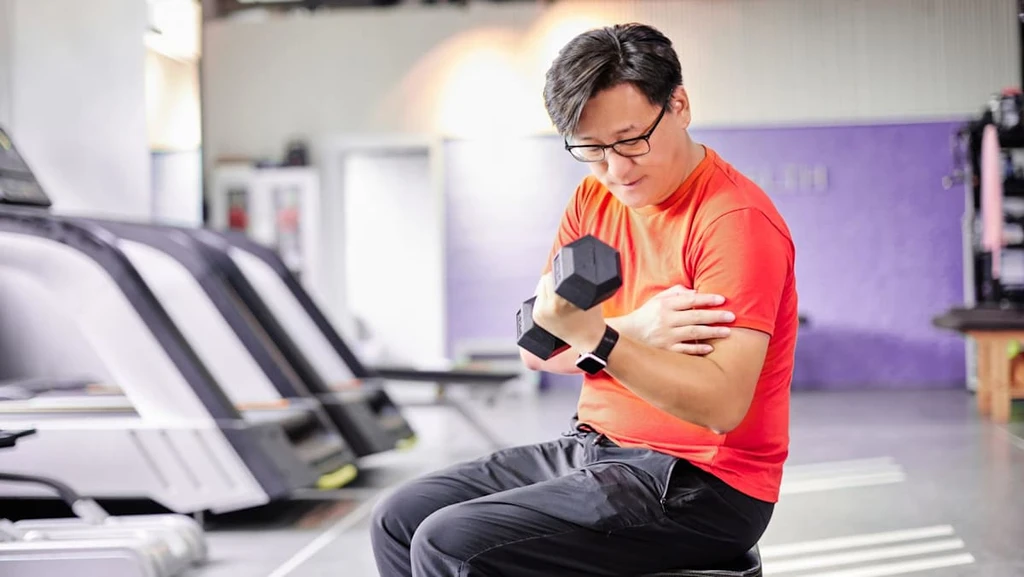
While aerobic activities benefit heart health, strength training - working muscles against resistance like weights, machines, or bodyweight - is the most effective method to combat sarcopenia and enhance muscle strength. This type of exercise directly improves everyday abilities such as walking speed and standing up from a chair.
Effective routines focus on major muscle groups, including legs, hips, chest, back, and arms. The key is consistent effort; muscles should feel challenged by the end of a set. Lighter weights with more repetitions can be as effective as heavier loads. A single strength training session per week can yield meaningful gains, especially for beginners.
Despite strong evidence, participation in strength training remains low, often due to lack of confidence or uncertainty. Public health messaging has historically emphasized aerobic exercise. However, national guidelines now include muscle strengthening. Campaigns and parliamentary reviews are increasing awareness, aiming to translate this into practical action.
It is never too late to begin. Research shows individuals in their 80s and 90s can still build or maintain muscle strength with tailored support. Maintaining muscle strength is a low-cost, accessible way to ensure continued independence, confidence, and quality of life. It's about preserving function, not aesthetics.