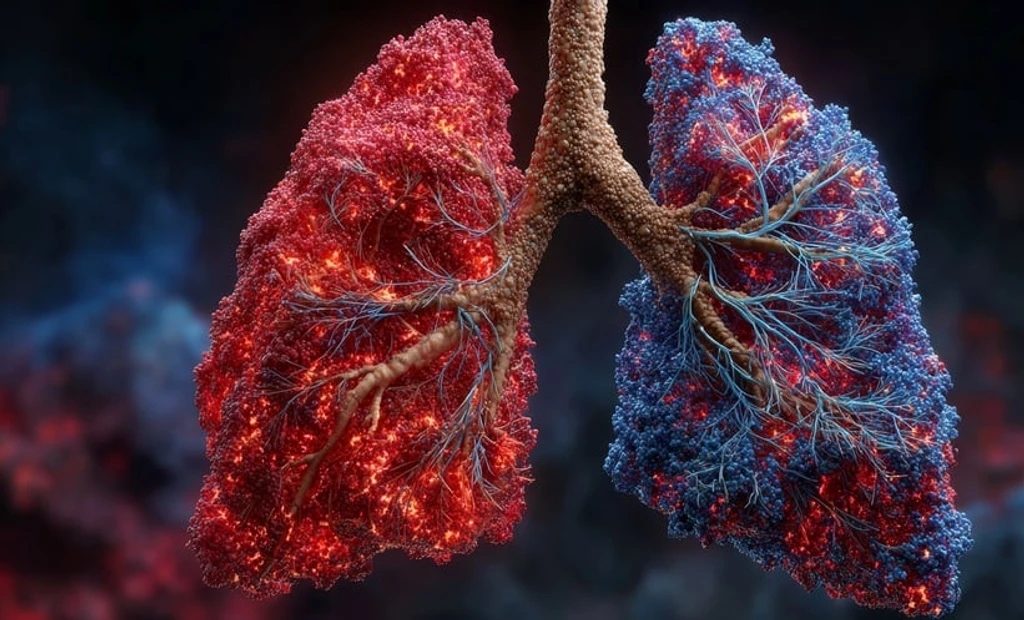
Early immune signals in the lungs can program tissue responses, shaping long-term inflammation and susceptibility to allergic conditions. A new study explored protease hypersensitivity, uncovering how initial immune responses can either amplify or suppress future allergic reactions.
Using a mouse model, researchers found that counteracting an initial type 2 immune response with a type 1 signal significantly reduced eosinophilic inflammation. This early immune cross-regulation proved decisive in controlling hypersensitivity. Mice without this modulation experienced heightened allergic inflammation weeks later upon re-exposure.
Lung stromal cells were identified as key players in storing this immunological memory. These cells showed long-term gene accessibility changes, particularly concerning eosinophil recruitment, suggesting structural cells retain a "memory" of past inflammation. These findings, while from mouse studies, suggest early interventions could modify long-term susceptibility to allergic disease by altering tissue responses to future insults. Further research is needed to confirm these mechanisms in humans, but the study opens avenues for preventing chronic inflammation by targeting early immune responses.