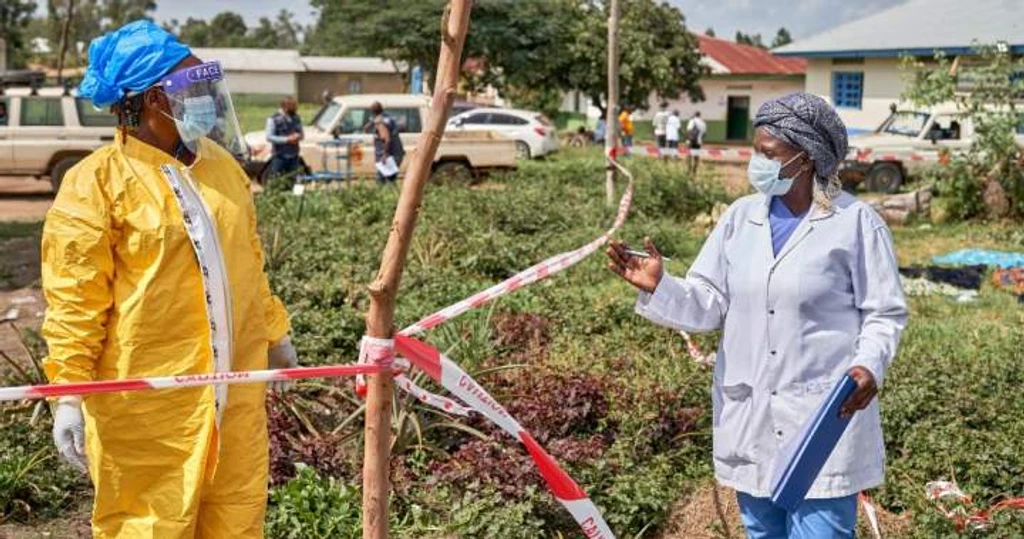
The head of the World Health Organization said Wednesday the risk of global spread of the Ebola outbreak in the Democratic Republic of Congo and Uganda is high at national and regional levels but low globally.
WHO Director-General Tedros Adhanom Ghebreyesus reported 51 confirmed cases in Congo's Ituri and North Kivu provinces, though the scale is likely much larger. Uganda has confirmed two cases in Kampala. Nearly 600 suspected cases and 139 suspected deaths underscore the severity, with numbers expected to rise.
Ghebreyesus declared a public health emergency of international concern on Sunday, the first such declaration before convening an Emergency Committee. The situation is not classified as a pandemic emergency.
Key factors driving concern include urban case expansion, healthcare-associated transmission, and significant population movement in the insecure, mining-heavy Ituri province, where conflict has displaced over 100,000 people since late 2025.
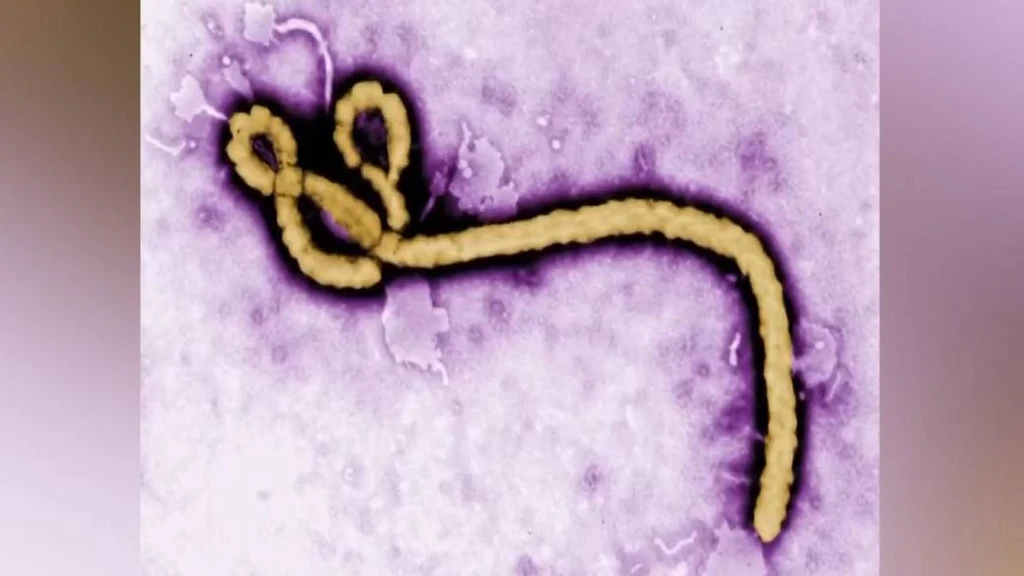
The outbreak is caused by the Bundibugyo virus, a species with no approved vaccines or therapeutics. WHO has deployed teams and approved an additional $3.4 million from the Contingency Fund for Emergencies, bringing total funding to $3.9 million.
A U.S. national infected in Congo arrived in Berlin for treatment at Charité University Hospital. Christian aid organization Serge confirmed American missionary Dr. Peter Stafford was evacuated and is receiving specialized care.
U.S. Secretary of State Marco Rubio said the Trump administration will fund 50 emergency clinics in affected areas, contributing $13 million with more expected. Rubio criticized WHO for being slow to identify the outbreak, a charge Ghebreyesus rejected, citing complex security and displacement challenges.
An American national who tested positive for the virus in Congo arrived in Berlin on Wednesday for treatment in a special isolation ward. “An American national who was working in DRC has also been confirmed positive, and been transferred to Germany,” Ghebreyesus said.