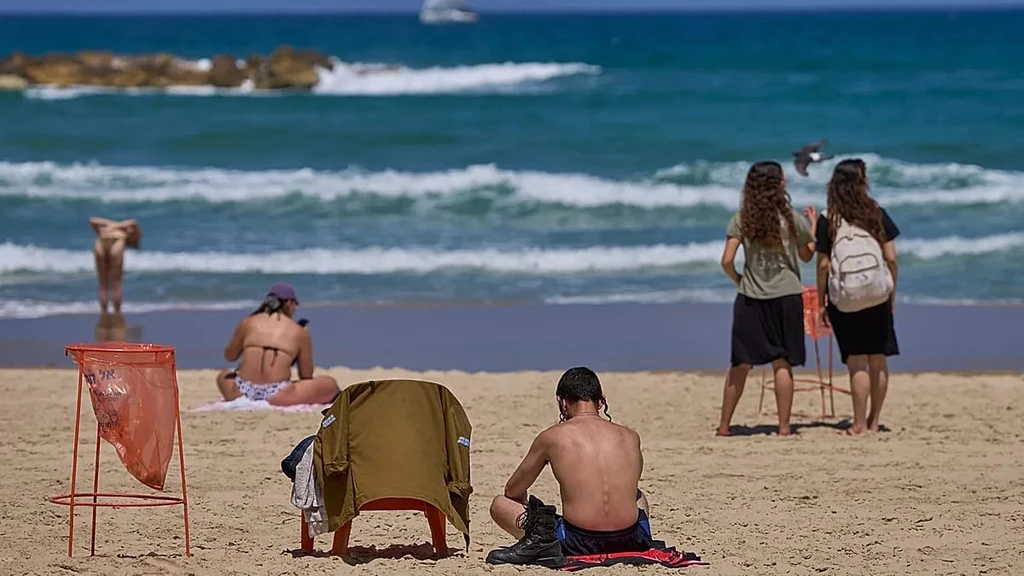
The Mediterranean Sea is warming faster than most, creating ideal conditions for Vibrio, an aquatic bacterium known as the 'flesh-eating bacteria.' Some strains can cause severe infections, including necrotizing fasciitis, through contact with open wounds or consumption of raw seafood.
The threat has already forced beach closures in Spain and triggered health alerts across Europe's coastlines. Analysts warn that rising temperatures and pollution are disrupting the marine ecosystem, turning the region into a preview of climate change impacts.
The economic toll is mounting. Beach closures during peak season directly hit local economies dependent on tourism. As one expert noted, 'a closed beach is a climate impact that comes with a bill attached.' The Union for the Mediterranean calls for coordinated action to address this growing risk.