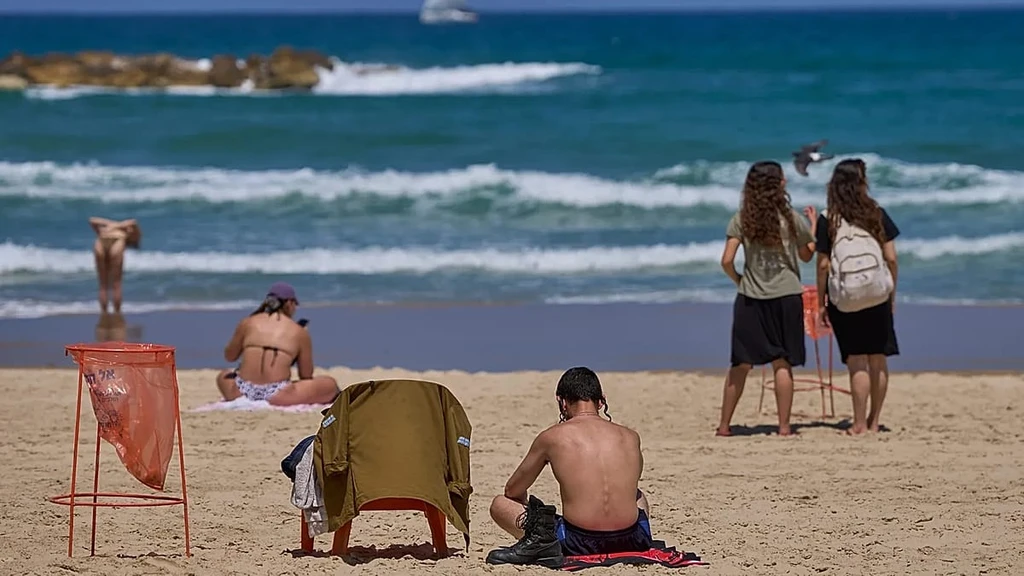
Summer's start brings millions of tourists to European coasts, but a growing threat looms: the spread of Vibrio bacteria has already forced beach closures in Spain.
Vibrio, often called "flesh-eating bacteria," thrives in warm, brackish coastal waters where rivers meet the sea. The European Food Safety Authority (EFSA) warns that strains such as Vibrio vulnificus and Vibrio parahaemolyticus can cause gastroenteritis or fatal wound infections. In severe cases, necrotizing fasciitis destroys tissue rapidly, sometimes requiring amputation. The European Centre for Disease Prevention and Control (ECDC) notes heightened risk during summer heatwaves, particularly in shallow waters.
The Mediterranean is especially vulnerable. Climate analyst Hatim Aznague of the Union for the Mediterranean says, "The Mediterranean is not a victim of climate change, but a preview of it. It is one of the fastest-warming seas on the planet." Rising water temperatures, combined with pollution and lower salinity, create ideal conditions for Vibrio to multiply.
Beyond health, the economic blow is immediate. Beach closures affect Europe’s vital tourism sector. "On our coasts, the shoreline is not part of the economy, it is the economy!" Aznague says. A closed beach carries a bill, and reputational damage takes years to repair.
Aznague insists the problem is now, not a future forecast. He calls for greater cooperation: "It is not acceptable to make concessions on our health or on the climate." The bacteria are merely messengers of a marine ecosystem thrown off balance by heat and pollution.