The luxury fragrance market is undergoing a significant pivot. Perfume is no longer marketed solely as an aesthetic accessory but as a functional tool for emotional regulation. Brands are increasingly integrating neuroscience and psychology into product development, positioning scent as a mechanism for stress reduction, focus enhancement, and mood elevation.
French niche house Initio Parfums Prives exemplifies this shift with its new mood-enhancing line. Industry leaders report that consumers now seek fragrances that actively regulate their internal state rather than simply project an external image. This mirrors a broader wellness trend where personal care products are evaluated on their psychological impact alongside their sensory appeal.
Neuroscience validates the connection between olfaction and emotion. Unlike other senses that require cognitive processing, smell bypasses the thalamus to access the brain's limbic system directly. This anatomical shortcut allows scent to trigger immediate emotional responses and memories before conscious thought occurs. However, experts caution that while functional fragrances can influence alertness and anxiety, they offer subtle modulation rather than clinical solutions.
Efficacy relies heavily on individual association and ritual. Cultural context dictates whether specific notes evoke comfort or energy. Furthermore, the act of applying fragrance serves as a grounding routine that reinforces the intended psychological effect. Consistency strengthens these neural pathways, turning scent into an emotional bookmark for specific mental states like focus or relaxation.
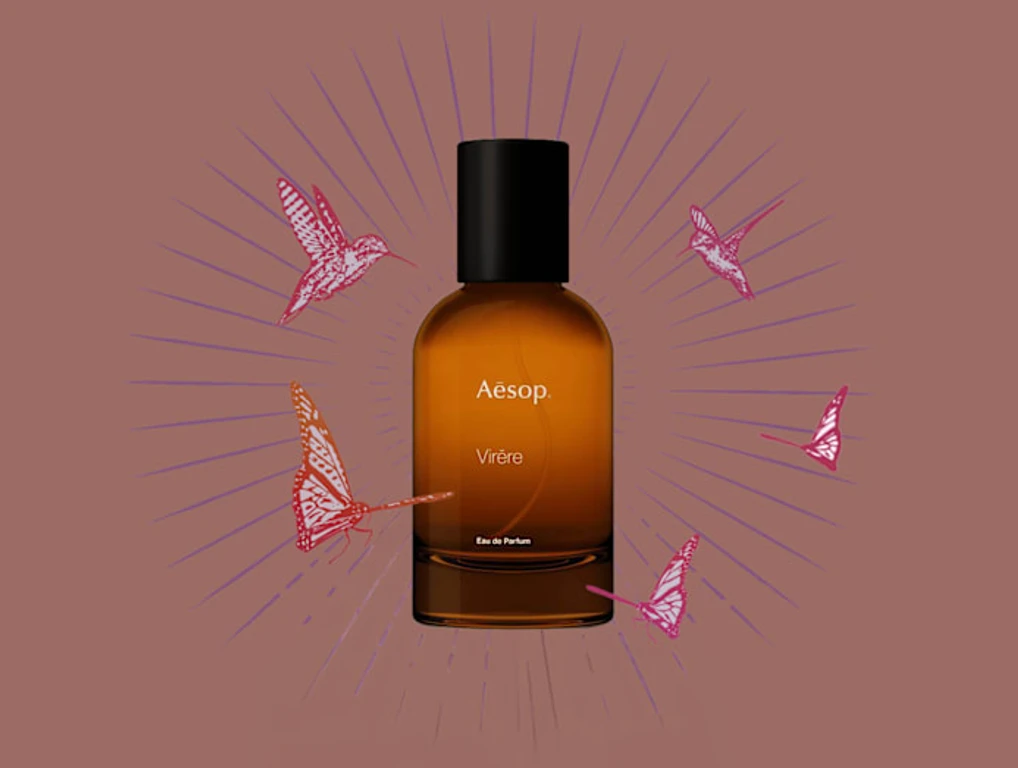
Market offerings now span diverse functional categories. Aesop’s Virere utilizes green tea and bergamot for mental clarity, while Scent Journer employs Sichuan pepper to evoke resilience. Initio’s Lift Me Up targets vitality through citrus and musk, whereas Rahasya’s Chai Addiction uses cardamom and sandalwood for grounding. Diptyque’s Lilyphilea offers restoration through violet leaf and spiced vanilla, demonstrating how heritage brands are adapting to the demand for emotionally resonant perfumery.