Australian scientists have identified a previously unknown cellular 'footprint of death' that viruses can hijack to spread infection. The discovery, published in Nature Communications, reveals a new vulnerability in the human body's waste-clearing system.
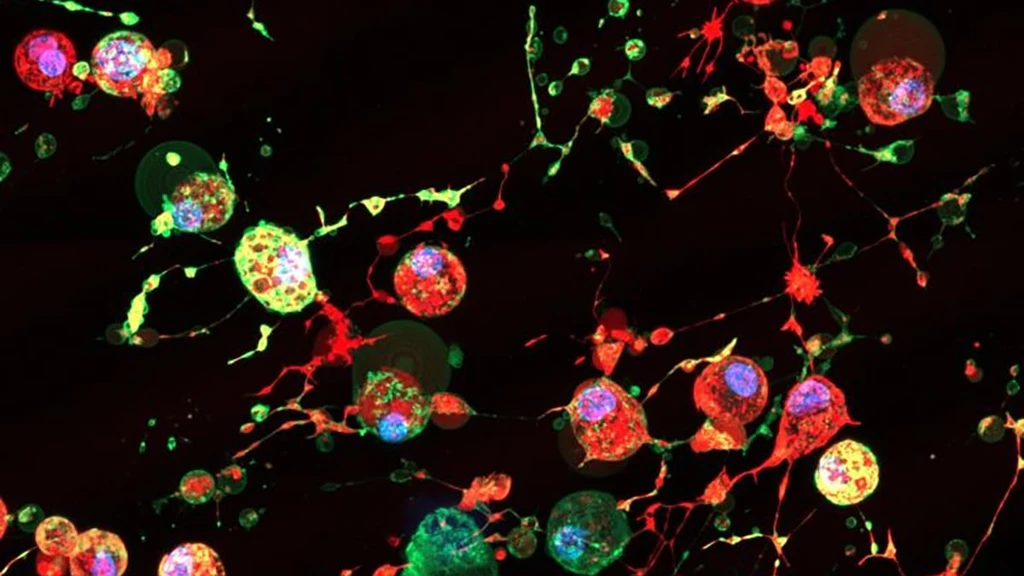
Researchers at La Trobe University studied programmed cell death, a process called apoptosis. They found that dying cells leave behind specific protein packets called F-ApoEVs. These act as a trail for the immune system to clean up debris.
The critical finding: viruses like influenza can hide their particles inside these F-ApoEVs. When the immune system cleans up, it inadvertently spreads the virus to healthy cells. This is a previously unknown method of viral transmission.
Lead researcher Stephanie Rutter stated the team was surprised by this viral exploitation. The discovery has major implications. It could lead to new drugs that either improve this cleanup process to fight autoimmune diseases or block it to stop viral spread.
"Dying cells can continue to communicate from the grave," noted cell biologist Georgia Atkin-Smith. This research adds a new layer to our understanding of cellular communication and disease progression.