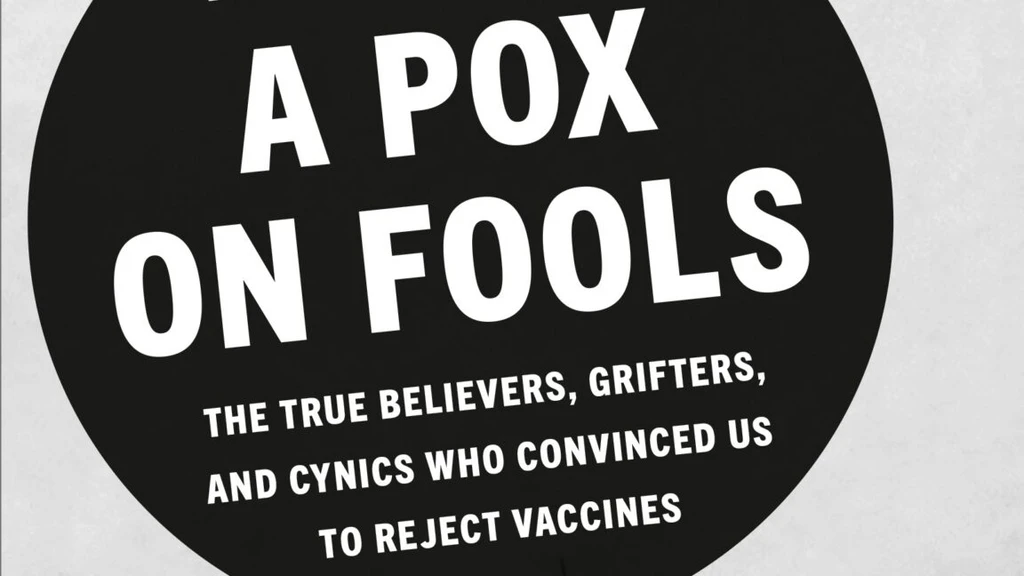
Stanley Plotkin, 93, the father of modern vaccines, recently said he regrets living long enough to see society go downhill. A new book, A Pox on Fools by Thomas Levenson, argues the arguments against vaccines have been around just as long.
Levenson breaks vaccine opponents into three categories: those who are wrong, those who are bad, and those who are intolerable.
Wrong. In the 1720s, inoculation against smallpox sparked backlash. Critics said interfering with disease was defying God's will. Later, Romantics substituted “nature” for “God,” arguing clean living trumped vaccination. History shows hygiene helped, but vaccines are far more effective against specific pathogens.
Bad. Robert F. Kennedy Jr. and others claim vaccines are more harmful than the diseases they prevent. While early vaccines had tragic missteps, centuries of data prove they are safe and effective. There is no link to autism. The real danger is that refusing vaccines breaks herd immunity, endangering the vulnerable.
Intolerable. The deepest division is not about science, but philosophy: Should the government mandate vaccines? The 1905 Supreme Court case Jacobson v. Massachusetts ruled that individual liberty is not absolute. Your freedom to refuse a vaccine ends where it endangers others’ right to life.
Levenson notes a key modern difference: We now have germ theory and overwhelming data. Yet anti-vaccine sentiment has become politically polarized, with Levenson writing that being Republican has become a measurable risk factor for illness and death from 2021 onward.